 Huida
Huida
Huida
Huida
For global buyers, choosing the 2026 best double shaft shredder requires more than comparing motor power. The right machine must match the material, throughput target, site conditions, and maintenance resources. A unit designed for municipal waste may perform poorly with bulky packaging, rubber, wood, or production scrap. Double Shaft Shredding offers controlled size reduction through two counter-rotating shafts, interlocking cutters, and steady torque. These features help process difficult materials with less reliance on manual feeding.
Real purchasing decisions begin with evidence. Check the cutter diameter, shaft speed, gearbox rating, chamber dimensions, and electrical requirements. Ask for test results using materials similar to yours. A short trial with wet cardboard can reveal more than a polished brochure. Observe feeding stability, noise, discharge consistency, and motor temperature. Small details matter.
Perfect equipment does not exist.
The best 2026 model should also support safe operation and practical ownership. Look for guarded access points, emergency stops, overload protection, replaceable knives, and clear maintenance procedures. Reliable suppliers should provide installation guidance, spare parts, operator training, and responsive technical support. Warranty terms deserve careful reading, especially for international buyers facing different service distances and working conditions. Some machines may appear affordable but become expensive through downtime, shipping delays, or unsuitable components. This guide compares important performance and ownership factors, helping buyers make a more informed decision. Still, every recommendation should be checked against real material samples, local power conditions, and expected daily workload.
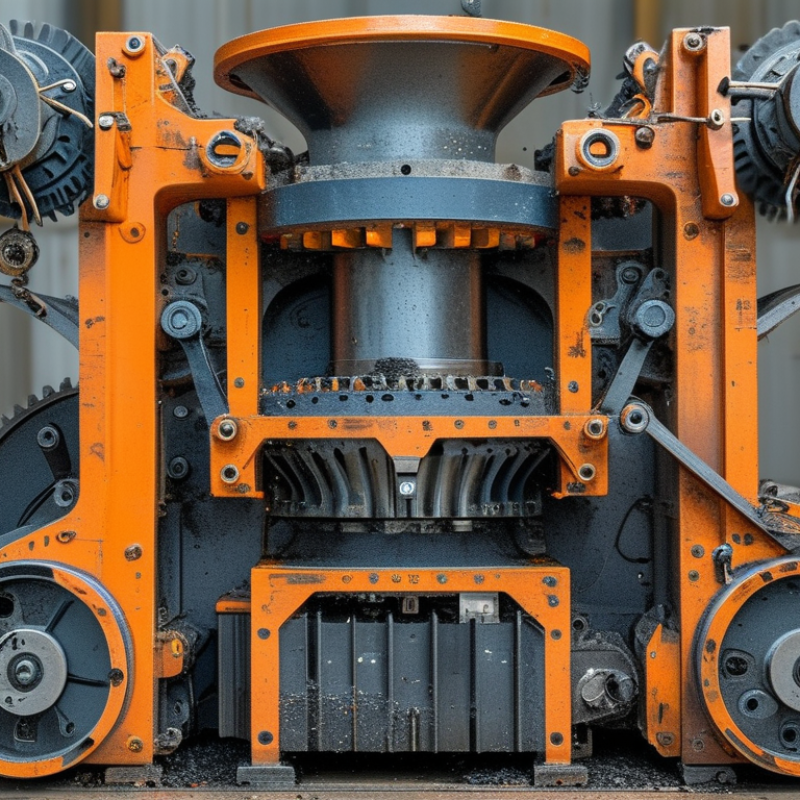
A double shaft shredder uses two parallel shafts fitted with interlocking cutting discs. The shafts rotate slowly in opposite directions. Their high torque pulls material into the cutting chamber. The cutters then tear, shear, and compress it into smaller pieces.
The process starts at the feed hopper. Material falls between the rotating shafts. Hooked cutters grip bulky items instead of relying only on impact. This design handles mixed plastics, wood, packaging waste, and other approved materials. It usually creates irregular pieces. That is normal.
The drive system controls shaft speed and torque. If a hard object causes resistance, many machines reverse briefly. This helps reduce jams and protects the gearbox. A screen may control the final particle size, but not every model includes one. Operators should check moisture, contamination, and feed dimensions before loading. Small mistakes can cause bridging. That problem is easy to underestimate.
In practical use, cutter spacing affects both capacity and output shape. Wider gaps improve throughput but may leave larger fragments. Narrower gaps produce finer pieces and can demand more power. Maintenance also matters. Worn cutters increase vibration and energy use. The machine may still run, but performance quietly declines. Global buyers should compare motor power, shaft torque, safety controls, service access, and local electrical requirements. A low purchase price is not always the lower operating cost.
| Data Dimension | Typical Data or Specification | What It Means for Buyers |
|---|---|---|
| Equipment Type | Low-speed, high-torque, double-shaft shredder | Two parallel shafts fitted with interlocking cutters rotate at low speed and pull bulky materials into the cutting chamber. |
| Operating Principle | Shearing, tearing, ripping, and compression | The cutters grip the feedstock, split it between opposing blades, and reduce its size without relying mainly on high-speed impact. |
| Number of Shafts | 2 counter-rotating shafts | The dual-shaft design improves material engagement and is suitable for irregular, wet, fibrous, and bulky waste. |
| Typical Rotor Speed | Approximately 5–35 rpm | Low rotor speed helps generate high torque, reduce dust and noise compared with many high-speed machines, and limit heat buildup. |
| Drive Configuration | Two independent electric drives, commonly using gear reducers | Independent drives allow the shafts to reverse or stop when oversized or unshreddable objects cause a blockage. |
| Typical Installed Power | Approximately 15–400 kW in commercial equipment | Required power depends on chamber size, cutter design, feed material, throughput target, and the desired particle size. |
| Typical Throughput | Approximately 0.5–50 tonnes per hour | Throughput is a planning range rather than a guaranteed output. Actual capacity changes with material density, moisture, feeding method, and machine configuration. |
| Common Feed Materials | Municipal solid waste, bulky waste, wood, pallets, plastics, rubber, textiles, paper, packaging waste, and some industrial residues | Material compatibility must be checked before purchase, especially for abrasive, hazardous, explosive, pressurized, or highly contaminated feedstock. |
| Material Size Reduction | Coarse to medium shredding; commonly about 50–300 mm after one pass | Final particle size is controlled mainly by cutter geometry, shaft spacing, screen use, and the number of passes. A secondary shredder may be needed for finer output. |
| Feed Opening | Commonly about 600–2,500 mm wide, depending on model size | A wider opening accepts bulky items with less pre-cutting. The loading equipment must match the hopper dimensions and safe working height. |
| Cutter Diameter | Commonly about 200–1,000 mm | Larger cutters generally provide greater bite and torque capacity, but they also increase machine size, weight, and power requirements. |
| Cutter Construction | Hardened alloy steel or tool steel; replaceable cutters are widely used | Wear-resistant cutters improve service life. Replaceable or reversible designs can reduce maintenance time and operating cost. |
| Output Control | Determined by cutter profile, shaft speed, screen configuration, and recirculation | Unlike a screened granulator, many double shaft shredders are primarily designed for controlled coarse reduction rather than uniform fine granules. |
| Moisture Handling | Generally suitable for wet or mixed materials | The machine can handle many damp feedstocks, but sticky materials may reduce throughput and require anti-wrapping features or cleaning access. |
| Unshreddable Object Protection | Automatic overload protection, torque monitoring, and forward/reverse control are common options | These functions help protect shafts, gearboxes, and cutters when metal, stone, or other hard objects enter the chamber. |
| Noise and Dust Profile | Usually lower-speed operation than hammer mills or high-speed impact shredders | Noise and dust are still generated. Enclosures, extraction systems, water suppression, and hearing protection may be required by the site risk assessment. |
| Maintenance Requirements | Regular cutter inspection, bearing and gearbox checks, torque-monitoring checks, lubrication, and chamber cleaning | Maintenance intervals should be based on operating hours, material abrasiveness, contamination level, and the manufacturer’s service instructions. |
| Energy Consideration | High torque at low speed; energy use varies widely by feedstock | Wet, dense, abrasive, or heavily compacted materials normally require more energy than light packaging, paper, or loose plastics. |
| Installation Requirements | Rigid foundation, appropriate electrical supply, lifting access, safe feeding zone, and discharge clearance | Global buyers should confirm voltage, frequency, motor-starting requirements, floor loading, ambient conditions, and local guarding regulations before ordering. |
| Best Selection Criteria | Material type, maximum feed size, target throughput, desired output size, operating hours, contamination level, and available power | These factors are more important than motor power alone when comparing double shaft shredders for recycling, waste treatment, or industrial processing. |
Compare the material first. Check feed size, moisture, density, and normal hourly volume. Advertised capacity may not match wet or bulky material.
Not always. Higher power can raise electricity costs when feeding is inconsistent. Match power with material resistance and required output.
Request documented test results using similar material. Check output, rotor speed, particle size, and operating conditions. A polished video proves little.
Look for guarded access points, emergency stops, overload protection, and automatic reverse control. Operators should inspect cutters without entering dangerous areas.
Include labor, bearing replacement, cutter sharpening, spare parts, and downtime. Slow cleaning and difficult cutter changes can become expensive.
Ask for manuals, wiring diagrams, risk assessments, inspection records, and safety information. Check noise and dust levels for the working environment.
Review factory experience, welding quality, blade hardness, spare-part availability, and factory acceptance testing. Clear technical answers matter more than friendly promises.
Confirm crate dimensions, shipping weight, moisture protection, customs documents, and delivery terms. Request installation guidance, training, troubleshooting videos, and response times.
Track energy use, service hours, spare-part prices, and expected downtime for three years. Leave a realistic capacity margin. Small margins become costly mistakes.
Choosing the 2026 best double shaft shredder requires more than comparing machine size or price. A double shaft shredder uses two interlocking shafts with cutting tools to grab, tear, and reduce bulky materials with controlled torque and steady performance. When evaluating equipment, global buyers should consider shaft design, blade durability, motor efficiency, feeding structure, adjustable speed, overload protection, noise control, and ease of cleaning. Different industries may need specialized configurations for recycling, waste reduction, manufacturing, agriculture, or commercial processing.
A practical purchasing decision should compare rated capacity, actual throughput, power consumption, safety systems, maintenance frequency, spare-parts availability, and total operating cost. Buyers should also confirm electrical compatibility, certifications, export documentation, packaging quality, delivery schedules, installation guidance, and after-sales support. Reliable Double Shaft Shredding equipment should offer stable performance, straightforward maintenance, and flexible customization without creating unnecessary complexity. By reviewing technical specifications and supplier service capabilities together, businesses can select a safe, efficient, and cost-effective solution for long-term international operation.
