 Huida
Choosing a Hydraulic Metal Shear is a production decision, not just a search for maximum cutting capacity. Buyers must match blade length, rated thickness, material strength, and duty cycle to the work actually entering the shop. A 6 mm mild-steel rating, for example, does not automatically mean the same machine will cut stainless steel at that thickness. Small details matter.
Grand View Research estimates the global metal-cutting machine market was valued at about USD 6.7 billion in 2023, with continued growth projected through 2030. This figure covers many machine types; it is not a standalone hydraulic-shear market estimate. Still, it signals a broad investment trend in metalworking equipment. For buyers, the practical questions remain local: Can the machine hold repeatable cuts? Are blades and seals readily available? Can service technicians reach the plant quickly?
Manufacturing quality expert W. Edwards Deming is widely associated with the reminder, “Quality is everyone’s responsibility.” It is a useful lens for evaluating a shear: operator safety, setup, maintenance, and supplier support all affect results. A polished brochure cannot answer every question. Ask for material-specific demonstrations, inspect welds and controls, and verify service commitments in writing. This guide compares leading manufacturers for 2026, while recognizing that no ranking replaces a test on your own stock. The uncomfortable part? Buyers sometimes prioritize purchase price and discover the real cost later.
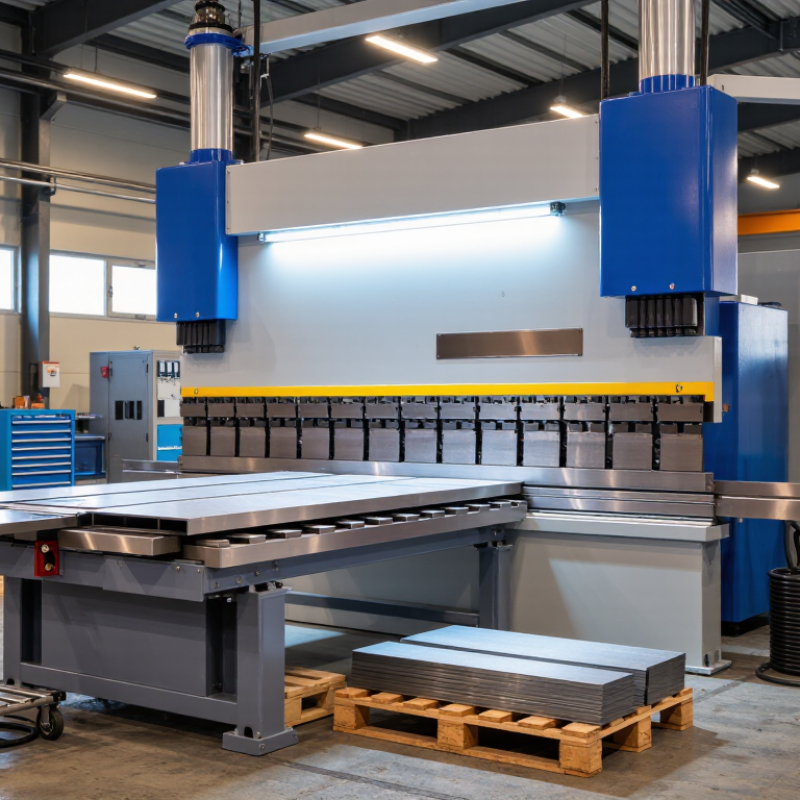
A hydraulic metal shear cuts sheet or plate by forcing an upper blade past a fixed lower blade. Hydraulic fluid drives a cylinder, which moves the blade downward. Hold-down clamps secure the workpiece, while a back gauge helps position repeat cuts. The cut happens through controlled shearing force, not sawing. Picture a steel plate resting flat, clamped firmly, then separated with a crisp edge. Blade clearance matters: too much can leave a rough, rolled edge; too little can increase wear. Results also depend on material strength, thickness, and blade condition.
The World Steel Association’s World Steel in Figures 2025 reports 1,882.6 million tonnes of crude steel production worldwide in 2024. This indicates the scale of steel processing, but it does not measure demand for hydraulic shears.
For buyers, rated capacity alone is not enough. Check the machine’s stated limits for the specific material, cutting length, and duty cycle. In real workshops, plate can shift, and a textbook-clean cut is not guaranteed. That detail matters. Operators should use guarding and follow the machine maker’s operating instructions; never reach into the cutting area during a cycle. Blade gaps and hydraulic settings need regular checks, especially when cut quality starts changing.
Hydraulic fluid moves a cylinder, driving the upper blade past a fixed lower blade. Clamps hold the plate steady.
It positions material for repeat cuts. Check alignment when cut dimensions begin to vary.
Excessive clearance can leave a rough, rolled edge. Too little may increase blade wear.
A guillotine shear moves its blade vertically and suits accurate, repeated cuts. Test your actual material first.
Its hinged jaws handle shorter cuts in scrap, bars, and smaller sections. Not interchangeable.
Check cutting length, material limits, duty cycle, blade-gap adjustment, and hold-down pressure. A capacity figure alone can mislead.
Ask for a test using your own plate grade and thickness. Inspect burrs, distortion, squareness, and measured dimensions.
Check blade gaps and hydraulic settings regularly. Changing cut quality is a warning, though it may not reveal the exact cause.
Use machine guarding and follow the operating instructions. Never reach into the cutting area. Safety is not optional.
This article explains what a Hydraulic Metal Shear is and how its hydraulic system drives the cutting blades through sheet metal, plate, or other suitable materials. It introduces common machine types, including guillotine and swing-beam designs, and describes how differences in cutting action, capacity, and setup affect their use in fabrication, recycling, and metal processing. Buyers will also find an overview of the manufacturer landscape in 2026, presented without relying on brand rankings alone.
To compare equipment and suppliers, the article highlights practical factors such as cutting capacity, accuracy, build quality, safety features, ease of operation, maintenance needs, and availability of technical support and spare parts. It also outlines a long-term selection approach: match machine specifications to expected workloads, assess service and training, and consider operating costs alongside the initial purchase price. These criteria can help buyers choose equipment and a supplier suited to reliable, ongoing use.
