Huida Huida

How to Choose the Best Hydraulic Compactor for Your Needs?

Time:2026-08-05 Author:Sienna
0%

Choosing the best hydraulic compactor can significantly affect your project’s efficiency. With various options available, identifying the right one may feel overwhelming. Each hydraulic compactor serves different needs, from small-scale landscaping to large construction projects.

When selecting a hydraulic compactor, consider specific factors such as weight, size, and operational ease. The ideal model should match your project requirements. Not everyone realizes that the wrong machine can lead to uneven surfaces and wasted time. Understanding your specific compaction needs is vital.

Reviews and expert opinions add value to your decision-making process. Looking at user experiences may highlight models that excel or fall short. While the choices may seem numerous, reflecting on your project's scope can clarify the best hydraulic compactor for you.
How to Choose the Best Hydraulic Compactor for Your Needs?

Understanding Hydraulic Compactors and Their Applications

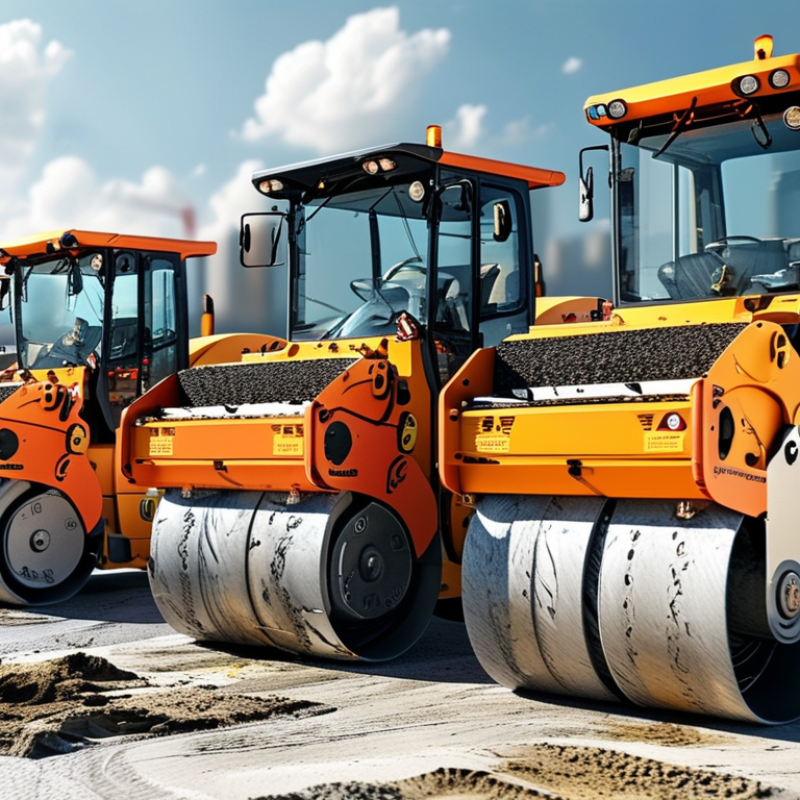
Hydraulic compactors are vital tools in construction and landscaping. They apply force to compress soil, asphalt, or aggregates. This ensures stability and prevents future settling. Understanding how they function is key to selecting the best one for your project.

They come in various sizes and types. Some are handheld, while others are larger, ride-on models. Consider the weight and dimensions based on your job site. A lightweight model may be adequate for small jobs, but a heavier option will suit larger, more demanding tasks. Each type has specific applications.

Experience plays a significant role in choosing the right compactor. If you're unsure, seek expert advice. Look for online resources or professional consultations. Some projects may require trial and error to find the perfect fit. Consider your crew's skills as well. Inadequate training can lead to inefficient use, affecting project outcomes.

Key Factors to Consider When Selecting a Hydraulic Compactor

Choosing the right hydraulic compactor requires careful consideration of several factors. First, the weight and size of the compactor matter. Heavier models deliver better performance for deep soil compaction. A study by the American Society of Civil Engineers indicates that optimal compaction can increase soil stability by up to 30%. But, larger models can be cumbersome and may not fit in tight spaces.

Another essential factor is the type of soil you will be working with. Different soils require different compaction strengths. In cohesive soils, a higher pressure is needed to achieve effective results. For example, a compactor that works well in sandy soil might not perform adequately in clayey conditions. Research shows that a hydraulic compactor can enhance load-bearing capacity by 25% in clay when used correctly.

You must also evaluate the hydraulic system’s efficiency. A high-quality hydraulic system can significantly impact your compactor's performance. Look for models with robust heating and cooling capabilities, as they can reduce wear and increase durability. Industry data reveals that compactors with superior hydraulic systems tend to last 30% longer than their lower-quality counterparts. Balancing these factors ensures you choose the right hydraulic compactor for your specific needs.

Evaluating Size and Weight Requirements for Your Project

When selecting a hydraulic compactor, size and weight are critical considerations. The right size directly influences effectiveness, maneuverability, and performance in various projects. A compact model is beneficial for tight spaces, while larger models offer more power for extensive areas. According to the American National Standards Institute (ANSI), the ideal compactor weight should correlate with the soil type and compaction depth required. For instance, heavier compactors are better for dense materials, while lighter units excel in granular soils.

Weight also impacts transportability. A unit weighing over 250 pounds may require specialized equipment for safe transport. Many contractors measure project site accessibility to determine if they can handle larger machines. A survey by the Construction Industry Institute indicates that about 30% of project delays are linked to equipment transport issues. Sometimes, choosing a lighter model can increase job efficiency, even if it means sacrificing some compaction force.

Selecting a hydraulic compactor involves evaluating trade-offs. A compact design may enhance versatility but limit power output. It’s also essential to assess long-term project goals. A small compactor that meets immediate needs may become inadequate later. Balancing these requirements is challenging, but acknowledging the nuances can lead to improved outcomes.

Assessing Power and Efficiency of Different Models

When assessing the power and efficiency of hydraulic compactors, understanding their specifications is crucial. Generally, these compactors operate using hydraulic pressure to deliver significant force. Reports indicate that compactors with a higher pressure rating typically achieve better compaction results. For instance, units rated at 3,000 PSI tend to outperform those around 2,000 PSI. This indicates the importance of selecting a model suited for specific tasks.

Efficiency can often be quantified in terms of cycles per minute. Many experts suggest looking for models with a cycle rate of 1,000 to 1,500 RPM. These machines often provide a balance of speed and force. However, it’s not just about speed; the design also greatly affects performance. Narrow or irregular areas may require compactors with smaller footprints. Be aware that compactors can vary significantly in fuel consumption as well. Some models may consume up to 20% more fuel due to less efficient engines.

Moreover, user feedback highlights that even high-rated compactors can underperform if not maintained regularly. Hydraulic systems can suffer from wear and tear, leading to decreased effectiveness. Regular checks on hydraulic fluid levels and filter conditions are essential. Neglecting maintenance can quickly diminish a unit's efficiency and power output. Always consider maintenance history before making a decision.

Maintenance Considerations for Optimal Performance and Longevity

Maintaining a hydraulic compactor is crucial for ensuring its longevity and performance. Regular maintenance checks can prevent costly downtime. According to a report by the Construction Equipment Association, neglecting maintenance can reduce equipment lifespan by up to 30%. Routine inspections should include checking hydraulic fluid levels, examining hoses for wear, and ensuring that seals are intact. Small leaks can lead to significant problems if not addressed promptly.

Cleaning the compactor after use is also important. Dirt and debris can accumulate and affect functionality. The American Society of Civil Engineers suggests that daily cleaning can improve operational efficiency by as much as 15%. Operators should use compressed air to remove grime from components and avoid corrosion. Ignoring these practices can lead to decreased effectiveness and increased operational costs.

Training operators on proper usage and maintenance is often overlooked. A trained operator can recognize early signs of wear or damage, potentially extending the equipment's life. The Institute for Equipment Management found that proper training can reduce equipment-related incidents by 25%. Investing time in training can yield significant returns in safety and efficiency, ultimately enhancing site productivity.

FAQS

: What are hydraulic compactors used for?

: They compress soil, asphalt, or aggregates for stability and to prevent settling.

How do I choose the right size for a compactor?

Consider the weight and dimensions based on your job site. Light models suit small jobs.

Why is experience important when selecting a compactor?

Experience helps in identifying the best model for your project. Seek expert advice if unsure.

What factors affect the performance of a hydraulic compactor?

Weight, size, soil type, and hydraulic system efficiency all influence performance.

How does soil type impact compaction?

Different soils require different compaction strengths. Test each soil for optimal results.

How can I ensure my compactor lasts longer?

Regular maintenance checks, cleaning, and operator training can extend its lifespan significantly.

What maintenance tasks should I perform regularly?

Check hydraulic fluid levels, inspect hoses, and clean the machine after each use.

Why is operator training essential?

Trained operators can detect early wear signs, enhancing safety and efficiency on site.

What happens if I neglect maintenance?

Ignoring maintenance can reduce equipment lifespan by up to 30%. This could lead to costly repairs.

How important is cleaning the compactor?

Daily cleaning can improve operational efficiency by 15%. It prevents dirt buildup and corrosion issues.

Conclusion

When choosing the best hydraulic compactor for your specific needs, it is essential to understand the machinery's applications and how they suit your projects. Key considerations include the size and weight requirements necessary for effective compaction, as well as evaluating the power and efficiency of various models. A hydraulic compactor must align with the demands of the work environment to ensure optimal results.

Additionally, maintenance plays a crucial role in achieving longevity and peak performance from your hydraulic compactor. Regular upkeep can prevent breakdowns and extend the lifespan of the equipment. By carefully assessing these factors, users can select the most appropriate hydraulic compactor that meets their operational requirements while ensuring efficiency and reliability in their compaction tasks.

Sienna

Sienna

Sienna is a skilled marketing professional with a deep expertise in our company’s core products and services. With a passion for innovation and detail, she plays a pivotal role in crafting insightful blog posts that not only highlight the unique features of our offerings but also provide valuable......