
Huida Huida

How to Choose the Best Rotating Grapple for Your Needs?

Time:2026-07-02 Author:Isabella
0%

When selecting the right rotating grapple for your projects, expert advice can be invaluable. John Smith, a seasoned operator in the heavy equipment sector, emphasizes, "Finding the right rotating grapple can significantly impact your efficiency and productivity." With so many options available, choosing the best one can feel overwhelming.

Rotating grapples are essential for tasks that require precise handling of materials. These tools are widely used in demolition, forestry, and construction industries. The effectiveness of a rotating grapple can greatly vary based on factors like size, weight, and operational demands. Careful consideration is crucial when making your choice.

Each job has unique requirements that may not fit perfectly with standard solutions. Many operators find themselves second-guessing their decisions after their equipment fails to meet expectations. Real-world feedback often reveals that the right rotating grapple improves workflow significantly. Balancing the costs and benefits while ensuring reliability is key to a successful investment.
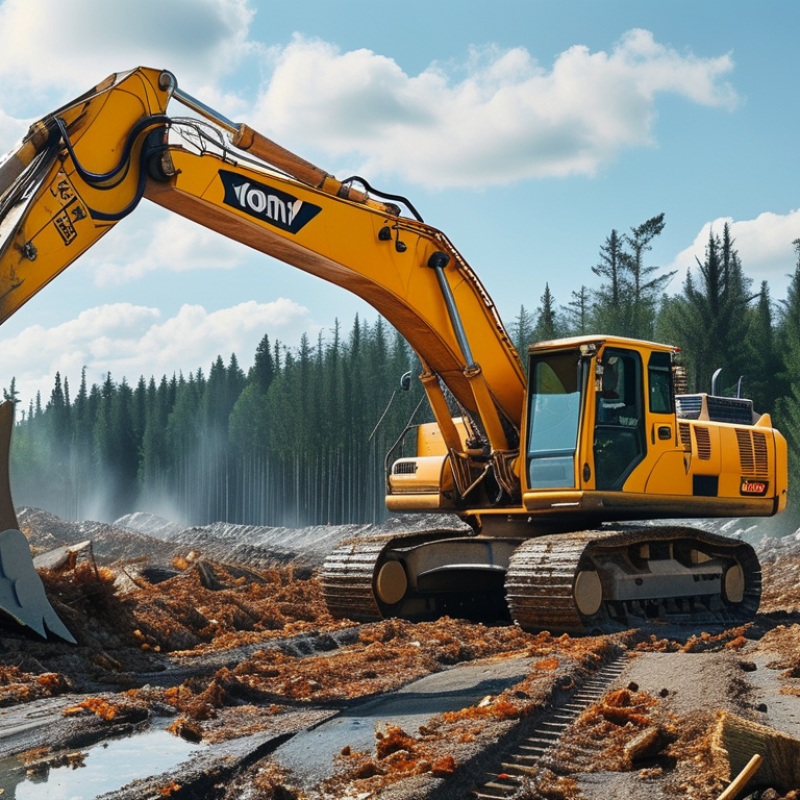
How to Choose the Best Rotating Grapple for Your Needs?

Understanding the Basics of Rotating Grapples

When selecting a rotating grapple, understanding the fundamentals is crucial. A rotating grapple is a versatile tool, integral for operations in waste management, forestry, and construction. They enable users to handle materials with precision. According to the Machinery and Equipment Manufacturers Association, effective use of rotating grapples can improve efficiency by up to 30% in material handling tasks.

Consider the different types of grapples available. There are standard models and ones designed for specific materials like wood or scrap metal. Each design has unique features that impact performance. Many operators find that a grapple's weight and size directly affect its usability. Users should assess their equipment's compatibility. Is your machine powerful enough? A common oversight is not accounting for the loader’s capacity.

Tips: Take time to evaluate your needs clearly. Measure your loading and handling tasks to select the right grapple. Research the materials you typically work with as they dictate the grapple type required. Seek feedback from industry professionals. Their real-world insights are invaluable for making informed decisions.

Rotating Grapple Performance Comparison

Identifying Your Specific Operational Needs

When choosing a rotating grapple, understanding your operational needs is crucial. Each project demands specific features, making it essential to assess your conditions. For instance, consider the load types you regularly handle. Heavy logs, for example, require a robust grapple, while lighter materials may not need the same strength.

According to industry reports, about 60% of equipment failures stem from mismatched tool use. If your grapple cannot handle the weight, you risk damaging both the grapple and the material. Evaluate the size and shape of the materials as well. Different grapple designs excel in various settings.

Tip: Test different grapples in real conditions before purchasing. This approach helps identify potential weaknesses and ensure effective operation. Additionally, consider the grapple's rotation degree. A wider range enhances maneuverability in confined spaces.

Compatibility with your existing machinery is another factor. Ensure that the grapple integrates smoothly with your machines. Industry standards suggest that proper compatibility reduces wear and maintenance needs. Larger operations often rely on multiple grapples, so having versatile options can improve workflow efficiency.

Evaluating Different Types of Rotating Grapples

When evaluating different types of rotating grapples, understanding their specific features is crucial. There are primarily two types: hydraulic and mechanical rotating grapples. Hydraulic grapples often offer more control and precision. They can manage heavy loads with ease, especially in construction applications. However, they may require more maintenance due to their complex systems. In contrast, mechanical grapples are generally simpler and more rugged. They're effective for less delicate tasks, making them suitable for demolition work.

Industry reports indicate that hydraulic rotating grapples have seen a 15% growth in use over the past five years. This trend highlights their increasing reliability and performance in various applications. Mechanical grapples, while not as technologically advanced, still hold a significant market share. Their affordability appeals to budget-conscious users.

Tips: Always consider the lift capacity needed for your tasks. A grapple with too high of a capacity can be cumbersome. Choosing the right size impacts efficiency and safety. Test different models in your working environment before making a final decision. Understanding the type of material you'll handle also influences grip type and jaw design. Each grapple has unique characteristics suited to specific jobs.

Factors to Consider When Comparing Models

When comparing rotating grapples, several key factors dictate the best choice for your needs. Weight capacity is crucial. Many models can handle loads from 1,500 to 4,000 pounds. Using a grapple beyond its weight limit can cause equipment damage. Consider the maximum load you will frequently lift. This understanding is vital for safety and efficiency.

Another factor is jaw design. Grapples come with various configurations: two or four jaws. Two-jaw models excel at gripping irregularly shaped materials. Four-jaw designs offer better stability and control, particularly for heavy loads. A report highlighted that 75% of operators preferred four-jaw grapples for increased versatility and grip reliability.

Hydraulic power is also essential. Models may vary in hydraulic flow requirements, typically ranging from 10 to 30 gallons per minute. Ensure your equipment meets these specifications. An inadequate hydraulic system can lead to less effective performance. Many users report frustration when grapples fail to operate smoothly due to underpowered hydraulic systems. Reflecting on these elements will guide your decision-making in selecting the right rotating grapple.

How to Choose the Best Rotating Grapple for Your Needs? - Factors to Consider When Comparing Models

Model Weight Capacity (lbs) Rotation Angle (degrees) Jaw Opening (inches) Material Price ($)
Model A 2200 360 36 Steel 1500
Model B 1800 270 32 Aluminum 1200
Model C 3000 360 40 High-strength Steel 2000
Model D 1500 200 30 Composite 950

Maintenance and Durability Considerations for Longevity

When selecting a rotating grapple, maintenance plays a crucial role in ensuring longevity. Regular checks on wear parts, such as pins and bushings, can significantly impact performance. A study by Construction Equipment Magazine highlighted that over 30% of equipment failures are due to inadequate maintenance. Addressing these issues promptly can extend the lifespan of your grapple and improve overall efficiency.

Tips:
Schedule routine inspections.
Check hydraulic systems for leaks.
Clean debris from components regularly.

Durability is often linked to the quality of materials used. Grapples made from high-strength alloy steel exhibit better resistance to wear and tear. Research by the Machinery Institute indicates that robust design can enhance the lifespan by up to 50%. However, users may overlook minor damages, which can lead to more severe issues if neglected. A small crack can lead to catastrophic failure.

Tips:
Use a maintenance log.
Document all repairs and check-ups.
Monitor your equipment for signs of stress.

FAQS

: How important is it to assess operational needs when choosing a rotating grapple?

: It's crucial. Each project has specific feature requirements based on materials and conditions.

What percentage of equipment failures are due to mismatched tool use?

About 60% of equipment failures come from using the wrong tools for the job.

Why is it important to consider the size and shape of materials?

Different grapple designs excel in various conditions. Matching these characteristics is vital for effective operation.

Should I test grapples before purchasing?

Yes. Testing in actual conditions helps identify weaknesses and ensures the right fit for your tasks.

How does the degree of rotation in a grapple affect its use?

A wider rotation range improves maneuverability in tight spaces, enhancing operational efficiency.

What are the main types of rotating grapples available?

The two main types are hydraulic and mechanical grapples, each with unique features and uses.

How do hydraulic grapples compare to mechanical ones?

Hydraulic grapples offer control and precision, while mechanical grapples are simpler and affordable.

Why is compatibility with existing machinery important?

Proper compatibility reduces wear and maintenance needs, improving overall efficiency in operations.

Can the lift capacity of a grapple impact its usability?

Yes, too high a lift capacity can be cumbersome. Choose the right size for efficiency and safety.

How does the type of material handled influence grapple choice?

Different materials require specific grip types and jaw designs, affecting the effectiveness of the grapple.

Conclusion

When selecting the best rotating grapple for your specific needs, it's essential to understand the fundamentals of these versatile attachments. Rotating grapples come in various types, and identifying your operational requirements—such as load capacity, application type, and machine compatibility—will help narrow your options.

Additionally, evaluating different models involves comparing their features and capabilities, including operational efficiency and maneuverability. Consider factors like maintenance needs and overall durability to ensure longevity and performance in the field. By carefully assessing these elements, you can choose a rotating grapple that effectively meets your demands while maximizing productivity.

Isabella

Isabella

Isabella is a dedicated marketing professional with a sharp focus on driving brand growth and engagement through strategic content creation. With an extensive background in digital marketing, she combines her passion for storytelling with her keen understanding of industry trends to deliver......