Huida Huida

2026 How to Choose the Right Hydraulic Grapple for Your Needs?

Time:2026-07-06 Author:Sophia
0%

Choosing the right hydraulic grapple is crucial for efficiency in heavy machinery operations. The Global Hydraulic Grapples Market size was valued at over $3 billion in 2022 and is projected to grow significantly. This growth highlights the increasing reliance on hydraulic grapples in construction, forestry, and waste management.

Selecting the appropriate hydraulic grapple involves understanding your specific needs. Factors such as load capacity, compatibility, and the material you will handle play critical roles. For instance, a grapple designed for timber may not be optimal for scrap metal.

Many users overlook the importance of quality. Investing in high-quality hydraulic grapples can lead to better performance and longevity. However, budget constraints often lead to compromises that could affect project outcomes. Therefore, balancing cost and quality while considering the workload is key to making an informed decision.
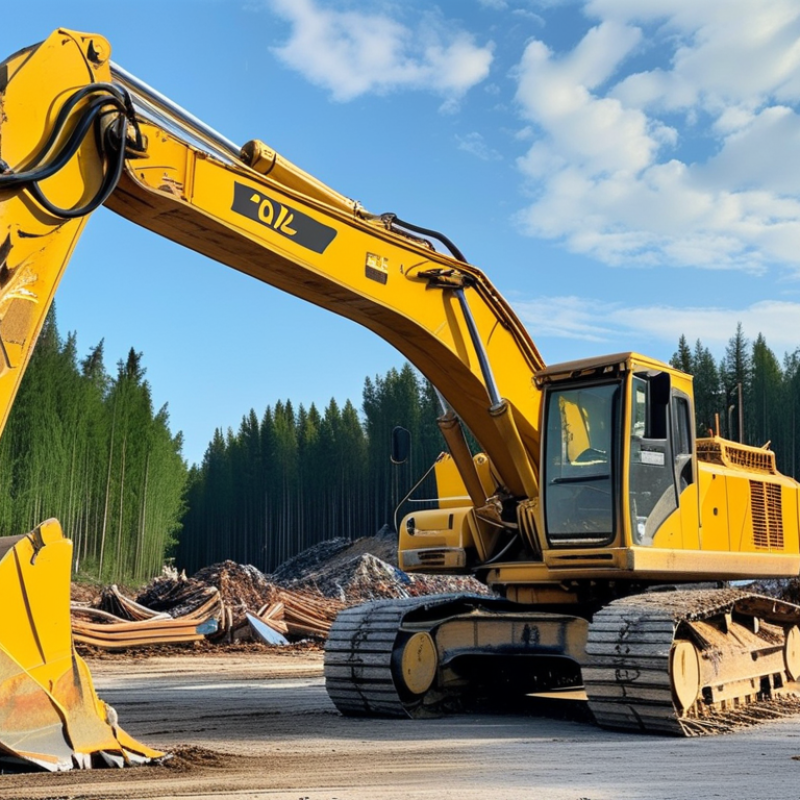
2026 How to Choose the Right Hydraulic Grapple for Your Needs?

Understanding the Basics of Hydraulic Grapples

Hydraulic grapples are versatile tools used in various industries, from construction to forestry. Understanding their basics is crucial for making the right choice. These implements attach to excavators and loaders, allowing operators to handle heavy materials efficiently. They come in different designs, such as rotating and fixed grapples. Each design serves specific purposes, depending on the tasks at hand.

When selecting a hydraulic grapple, consider the type of material you’ll be handling. Different grapples excel in lifting logs, debris, or other materials. The weight capacity is another critical factor. Overloading a grapple can lead to damage and accidents. Hydraulic grapples also vary in jaw configuration, affecting their grip and reach. More complex models can rotate, offering additional maneuverability.

However, choosing the right grapple can be challenging. Many users may find themselves swayed by flashy features and forget practical needs. A grapple that works well for one task may not perform efficiently for another. Reflecting on past experiences can help clarify what features actually matter. Understanding the requirements of your specific tasks is key to making a well-informed decision.

2026 How to Choose the Right Hydraulic Grapple for Your Needs?

Model Weight Capacity (lbs) Opening Width (inches) Operating Pressure (psi) Weight (lbs) Material
Grapple A 4000 48 3000 600 Steel
Grapple B 5000 50 3500 700 Aluminum
Grapple C 3000 46 2800 550 Steel
Grapple D 4500 52 3200 650 High-Strength Steel

Identifying Your Specific Needs and Application

Choosing the right hydraulic grapple starts with understanding your specific needs. Applications vary widely, from forestry to construction. The grapple type you select should align with your primary tasks. For instance, a lumber-focused grapple will differ from one designed for handling scrap metal. Each scenario demands unique features.

Industry data shows that up to 70% of users report difficulties in productivity due to improper equipment selection. Choosing a grapple that suits the weight and size of your materials is essential. For lightweight applications, a smaller grapple can enhance maneuverability. Conversely, for heavy-duty tasks, a robust grapple with higher load capacities is necessary.

Additionally, consider your machine’s compatibility. Not all grapples fit all machinery. Some users overlook this crucial detail, leading to inefficiencies. Reviews indicate that users often underestimate the importance of grip strength and jaw opening. In many cases, these factors directly affect performance. Addressing these specifics will help avoid common pitfalls and enhance operational reliability.

Evaluating Key Features and Specifications

Choosing the right hydraulic grapple involves careful evaluation of key features and specifications. One of the primary considerations is the grapple's capacity. For example, industry reports suggest that grapples with a load capacity ranging between 1,500 to 3,000 pounds are ideal for medium-duty applications. This range caters to a wide variety of tasks, from forestry to construction.

Another critical factor is the jaw opening and design. A grapple with wide, multi-finger jaws can handle irregularly shaped loads more effectively. According to recent studies, grapples with an opening width of at least 36 inches perform better in diverse operational settings. Operators often overlook this feature, assuming that a standard opening suffices. Misjudgments in this area can lead to inefficiencies.

Material strength and durability should also be assessed. High-tensile steel construction is commonly recommended. However, some products may have weaker points that compromise their longevity. A detailed examination of tensile strength ratings is essential. Often, manufacturers may not fully disclose this information, raising concerns about reliability and safety in the field. Addressing these aspects carefully can prevent costly mistakes in purchasing decisions.

Comparing Different Brands and Models

When considering a hydraulic grapple, it's essential to compare various brands and models. Each manufacturer offers unique features, and understanding these differences can elevate your decision-making process. Look closely at the grapple's weight capacity, jaw design, and hydraulic compatibility. Some models excel in handling debris while others might be better suited for logs.

Tips: Always test the grapple before purchasing. Make sure it fits your machine perfectly. A good fit ensures efficiency during operation.

Another key aspect is durability. The material used can affect performance and longevity. Check customer reviews and ratings. Real-life experiences provide valuable insights. However, be cautious; not all feedback is reliable.

Tips: Create a checklist of your project needs. This can guide you towards the best options available. A well-defined requirement ensures you do not overspend on unnecessary features.

In the end, the right hydraulic grapple enhances productivity significantly. So, take your time to evaluate options and make an informed choice.

Making Informed Purchasing Decisions and Budgeting

When it comes to choosing the right hydraulic grapple, budgeting is key. You need to identify your specific needs and how much you can spend. Consider the type of materials you'll be handling. Different grapples are designed for various tasks, from logging to demolition. Assessing your operations will help you make an informed choice.

It's also vital to account for additional costs. Maintenance and repair should be factored into your budget. A cheaper grapple may save you upfront, but frequent repairs can lead to higher long-term costs. Aim for balance between initial investment and durability.

**Tips:** Always read customer reviews. They can provide insights on performance. Don't hesitate to ask experienced users for advice. Finally, consider resale value. Choosing a grapple that holds its worth can benefit you in the future.

2026 Hydraulic Grapple Performance vs. Cost Analysis

FAQS

: What are hydraulic grapples used for?

: Hydraulic grapples are versatile tools for construction and forestry. They help with handling heavy materials efficiently.

How do I select the right grapple?

Consider the materials you'll handle. Different grapples work better for logs, debris, and other specific tasks.

What is the importance of weight capacity?

Weight capacity is crucial. Overloading can cause damage and accidents, leading to safety issues on-site.

How does jaw configuration affect performance?

Jaw design impacts grip and reach. Wider jaws can handle irregular loads better than standard designs.

Why is budgeting important for purchasing?

Budgeting helps manage costs. Factor in the price of maintenance, as cheaper options may require more repairs.

What should I know about material strength?

Evaluate the tensile strength of grapples. Some products may lack durability, which can affect long-term use.

Are customer reviews helpful?

Yes, they provide insights into performance. Learning from other users can guide your purchasing decisions.

How do rotating grapples differ from fixed ones?

Rotating grapples offer more maneuverability for complex tasks, while fixed grapples are simpler for basic applications.

What are common mistakes in selecting grapples?

Users may focus too much on flashy features. It’s essential to consider practical needs first instead.

Should I consider resale value?

Yes, a grapple that retains its worth can benefit you in the future, especially when upgrading or changing tools.

Conclusion

When selecting the right hydraulic grapple for your needs, it's essential to first understand the basics of how these powerful tools operate. Assessing your specific requirements and applications will enable you to identify the most suitable grapple type. Consider factors such as the size, weight capacity, and the type of material you'll be handling, as these elements significantly influence performance.

Once you have a clear understanding of your needs, evaluate the key features and specifications of various models, including attachment compatibility and operational ease. Comparing different brands and models will provide insights into their effectiveness and durability. Finally, make informed purchasing decisions by carefully budgeting for your hydraulic grapple, ensuring that it aligns with both your financial parameters and operational expectations. This comprehensive approach will help you select a hydraulic grapple that meets your requirements while optimizing efficiency and productivity.

Sophia

Sophia

Sophia is a dedicated marketing professional with an exceptional depth of knowledge about her company's products and services. With a keen understanding of market trends and customer needs, she crafts insightful blog posts that not only inform but also engage readers, enriching the company’s online......