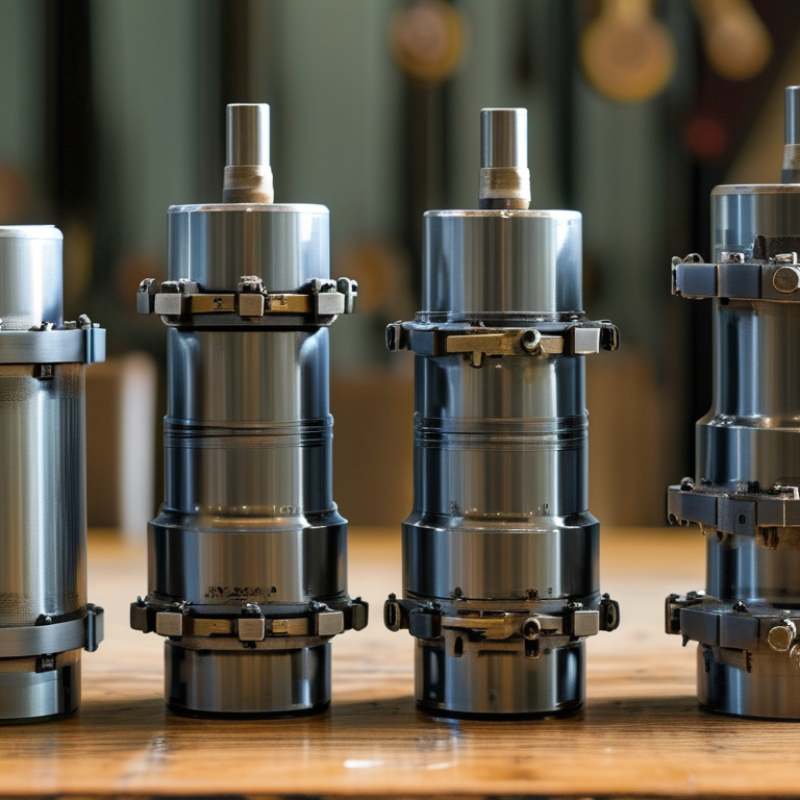
Choosing the right mechanical coupler is crucial for your projects. These components connect two shafts, ensuring they work together seamlessly. A great coupler enhances performance and reliability. A poor choice can lead to inefficiency and damage.
When selecting a mechanical coupler, consider your specific needs. Take into account torque requirements, shaft sizes, and operating conditions. Each application has unique demands. Unfortunately, many users overlook these details, leading to misalignment.
Understanding types of mechanical couplers is essential. There are rigid, flexible, and fluid couplers. Each serves a distinct purpose. Researching these options can save time and resources. This decision impacts both short- and long-term success. A thoughtful approach will yield better results.
Understanding Mechanical Couplers and Their Applications
Mechanical couplers play a crucial role in connecting different components in machines. They enable torque transfer between shafts while accommodating misalignments. This flexibility makes them essential in various applications, including automotive, industrial machinery, and robotics.
When selecting a mechanical coupler, consider the specific application. Evaluate factors like torque requirements, speed, and misalignment tolerance. Not all couplers can handle high torque or extreme conditions. Some designs may wear down quickly under heavy use. It's vital to understand these characteristics to avoid costly failures.
It's worth noting that material choice significantly impacts durability. Steel offers strength, while plastics can reduce weight. However, plastic may not withstand high temperatures. Each material has its advantages and drawbacks. An informed decision requires weighing these factors based on the application. Your selection process may need adjustments based on real-world experiences. Aim for reliability, but remember, even the best designs require maintenance.
Mechanical Coupler Types and Their Applications
This chart illustrates the different types of mechanical couplers and their typical applications across various industries. The data provides insights into the popularity and usage of each coupler type.
Key Factors to Consider When Choosing a Mechanical Coupler
Choosing the right mechanical coupler is crucial for various applications. A clear understanding of key factors helps in making an informed decision. One primary consideration is the application requirements. Different applications demand specific torque ratings and power transmission capabilities. Ensure that the coupler you select can handle the load without compromising performance.
Another important factor is the material composition. Mechanical couplers can be made from various materials, such as aluminum or steel. Each material has its benefits and drawbacks. Durability, weight, and resistance to environmental factors should influence your choice. After all, a lighter coupler may lead to less inertia, but it might lack the strength necessary for heavy-duty tasks.
It's also vital to consider the alignment and space constraints within your system. Misalignment can cause premature wear or failure. Ensure you assess the installation environment carefully. Sometimes, a coupler that fits well in theory may not perform in practice. Regular evaluations and real-world testing can provide insights and reveal unexpected challenges. This reflective approach leads to better outcomes in your projects.
2026 How to Choose the Right Mechanical Coupler for Your Needs? - Key Factors to Consider When Choosing a Mechanical Coupler
| Factor |
Description |
Recommended Types |
| Torque Capacity |
The maximum torque that a coupler can handle before failure. |
Gear Couplings, Rigid Couplings |
| Alignment Tolerance |
The ability of a coupler to function properly under misalignment conditions. |
Flexible Couplings, Bellows Couplings |
| Material |
The substance from which the coupler is made, affecting durability and performance. |
Aluminum, Steel, Plastic |
| Operating Temperature |
The temperature range in which the coupler can operate effectively. |
High-Temperature Couplings, Standard Couplings |
| Size and Weight |
Dimensions and mass that can influence installation and compatibility. |
Compact Couplings, Lightweight Designs |
| Cost |
The overall expense involved in purchasing and maintaining the coupler. |
Economical Options, Premium Products |
Different Types of Mechanical Couplers Available on the Market
When selecting a mechanical coupler, understanding the different types available is crucial. Couplers can be broadly categorized into rigid and flexible types. Rigid couplers provide a strong connection between shafts, ideal for applications with exact alignment. They excel in transmitting torque without backlash. However, this precision can lead to stress under misalignment, affecting the system’s longevity.
On the other hand, flexible couplers accommodate slight misalignments. They absorb shocks and vibrations, promoting smooth operation. Various designs, such as bellows, gear, and elastic couplers, serve specific needs. According to the Global Mechanical Couplings Market Report, the flexible couplers segment is projected to grow significantly, driven by increasing demand in industries like automotive and robotics.
Proper evaluation of operational conditions is essential. Incorrect coupler selection can lead to system inefficiencies. Mechanical couplers should match torque, speed, and alignment requirements. Remember, even with the right coupler, maintenance is vital. Regular checks can prevent unexpected failures, ensuring smoother operations. Each application demands a tailored approach, reflecting the unique challenges it presents.
Evaluating Performance Specifications for Your Mechanical Coupler
When selecting a mechanical coupler, understanding performance specifications is crucial. Start with torque ratings. Many couplers can handle varying torque loads. This depends on the application. A 2021 industry report highlighted that the right torque specification can improve efficiency by up to 30%.
Next, consider the material used in the coupler’s construction. Different materials offer different strengths and weaknesses. For example, aluminum-based couplers are lightweight but may not sustain high temperatures. Conversely, steel couplers excel in demanding environments but add weight. A study found that 48% of failures stem from material mismatch.
Additionally, pay attention to the coupling type. Rigid, flexible, and beam couplers serve different purposes. A flexible coupler can compensate for misalignment. It is beneficial in high-speed applications. Moreover, thinking about the overall size and weight is essential. Heavy couplers can lead to increased fatigue in connected components. Each specification requires careful consideration because the wrong choice can lead to costly downtime or failures.
Common Mistakes to Avoid When Selecting a Mechanical Coupler
Selecting the right mechanical coupler can be challenging. Many people overlook important factors, leading to costly mistakes. One common error is ignoring torque requirements. Torque specifications are crucial for ensuring that the coupler functions as intended. Always consult the technical documentation for the equipment you are using. If you fail to do this, your machinery may not perform efficiently.
Another mistake is misjudging the environmental conditions. For example, extreme temperatures or exposure to moisture can affect the coupler's performance. Using a coupler that is not rated for such conditions might lead to premature failure. Ensure you choose materials that can withstand the specific environment your application involves. This often requires careful thought and research.
Additionally, some individuals assume that "one size fits all." However, different applications require different designs, such as rigid or flexible couplers. Choosing the wrong type can result in vibration, noise, and even mechanical failures. Understanding your application's needs helps avoid this pitfall. Think critically about your needs and ask for expert advice if you're unsure.
FAQS
: They connect components in machines and transfer torque between shafts. They accommodate misalignments too.
Evaluate application requirements, torque ratings, speed, and misalignment tolerance before selecting a coupler.
Different materials have unique durability and weight characteristics, which affect performance and lifespan.
No, not all couplers are designed for high torque. Choose one that matches your specific application needs.
It can lead to premature wear or even failures, causing costly downtime or damage to the system.
Misalignment may lead to wear and failure. Regular assessments can help identify potential issues.
Not necessarily. While lighter couplers reduce inertia, they may lack the strength needed for heavy-duty applications.
Rigid, flexible, and beam couplers are common. Each serves different purposes based on application needs.
Real-world testing reveals unexpected challenges and enhances understanding, leading to better outcomes.
Even the best designs require maintenance to ensure reliability and extend their lifespan in practical applications.
Conclusion
When selecting a mechanical coupler, it is essential to first understand the various applications and functions these devices serve in different industries. Mechanical couplers are crucial for connecting shafts while accommodating misalignment and torque transmission. Key factors to consider include the load capacity, material compatibility, and installation requirements.
Exploring the different types of mechanical couplers available can help narrow down the options based on specific needs. Evaluating performance specifications is vital to ensure optimal functionality, while common mistakes, such as overlooking compatibility or misjudging load requirements, should be avoided to ensure a successful selection process. By carefully considering these aspects, individuals can choose the right mechanical coupler that meets their operational needs effectively.
 Huida
Huida