
Huida Huida

How to Choose the Right Metal Shredder for Your Business?

Time:2026-09-09 Author:Sophia
0%

Choosing the right Metal Shredder can shape your entire processing operation. It affects throughput, energy use, maintenance costs, and workplace safety. A machine that handles clean steel may struggle with mixed metal, painted parts, or bulky aluminum frames. The right choice begins with understanding your actual material stream.

Experienced operators measure more than hourly capacity. They examine feed size, metal thickness, moisture, contamination, and loading methods. A shredder rated for 10 tons per hour may perform differently in real conditions. Worn blades, uneven feeding, and frequent stoppages can reduce output quickly. Ask suppliers for tested performance data, not only attractive catalog figures.

Safety deserves equal attention. Look for guarded access points, emergency stops, overload protection, and clear maintenance procedures. Check whether replacement parts are available locally. Review the manufacturer’s service history and technical support before signing a purchase agreement. These details often matter more than a slightly higher maximum capacity.

No machine is perfect. A powerful Metal Shredder may consume more energy than your budget allows. A compact model may save space but require slower feeding. I have seen buyers focus on purchase price, then underestimate installation, noise control, and blade replacement costs. That mistake is understandable, but avoidable. Compare total ownership costs over several years. Test representative material whenever possible. A short demonstration can reveal vibration, dust, feeding problems, and unexpected downtime. This guide explains the practical factors behind a dependable Metal Shredder decision, helping businesses choose equipment with stronger evidence and fewer expensive surprises.
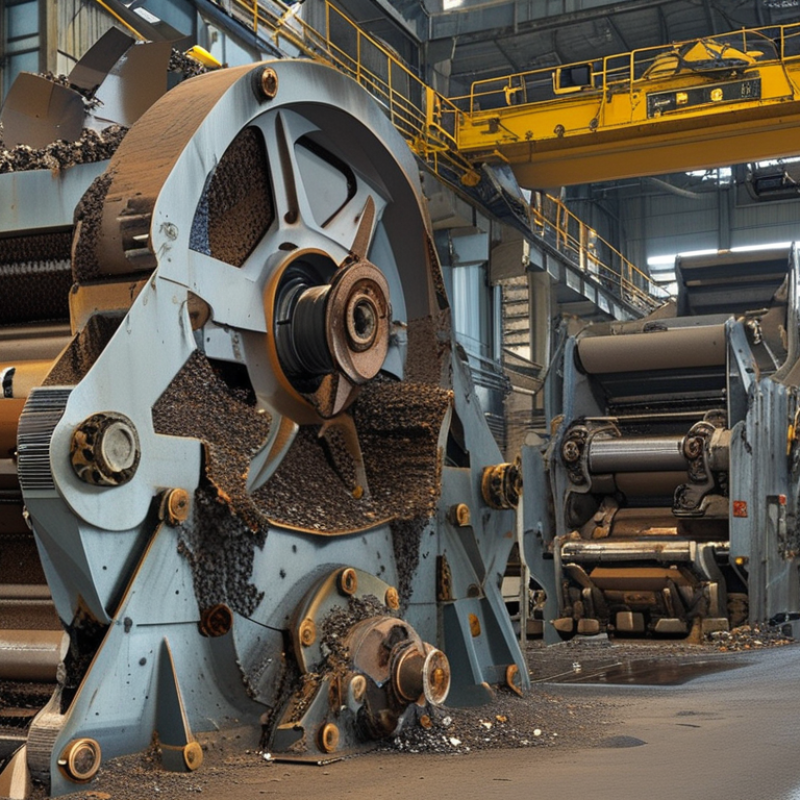
How to Choose the Right Metal Shredder for Your Business?

Define Your Metal Shredding Requirements

Defining your metal shredding requirements begins with the material, not the machine. Record the metal types, average thickness, maximum dimensions, moisture, and attached non-metal parts. A pile of thin aluminum behaves differently from mixed steel sections with bolts and rubber. Measure it honestly. Estimate daily volume and peak loads, then separate normal production from occasional surges. Include the required output size, because downstream sorting or melting may need consistent fragments.

Throughput alone should not guide the purchase. Ask how many tonnes per hour the line must process during your busiest shift. Then check the feed opening, rotor configuration, motor power, discharge system, and tolerance for oversized pieces. Dense material can slow production and increase wear on knives, shafts, and screens. Track likely maintenance intervals, spare-part access, noise, dust, and operator visibility. A technically powerful shredder may still be unsuitable if cleaning takes too long. Do not guess.

Reliable specifications come from samples and measured trials. Prepare representative loads, including difficult pieces that workers often remove by hand. Ask for documented test results, energy data, safety features, and expected output quality. Confirm that guarding, emergency stops, lockout procedures, and dust controls fit your facility. A qualified engineer should verify floor space, material flow, and future capacity. However, forecasts can be wrong. Leave practical room for changing feedstock, seasonal peaks, and imperfect operator habits. Small details matter.

Compare Metal Shredder Types and Their Operating Principles

A metal shredder’s working principle determines its output, energy use, and maintenance needs. Hammer mills break metal through repeated impact from swinging hammers. They suit lighter scrap and produce smaller pieces at high speed. Shear shredders use two counter-rotating shafts with hooked cutters. Their low-speed torque pulls thick metal inward and cuts it gradually. Granulators use sharp rotating knives against a fixed bed knife. They provide more uniform sizing, but their cutters need careful adjustment.

The feed material should guide the machine choice. Mixed light-gauge sheets often work well with impact shredding. Thick pipes, plates, and compacted scrap usually need high-torque shear action. For controlled particle sizes, a granulator may follow a primary shear shredder. That two-stage arrangement can reduce overloads. It also needs more floor space.

Do not judge capacity from motor power alone. Check the feed opening, rotor diameter, cutter thickness, and discharge screen. A narrow opening can slow production, even with a large motor. In operating plants, moisture, dirt, and trapped fasteners often change performance. Dust control and noise protection matter near the loading area. Easy access to cutters can reduce maintenance downtime. A practical test with your actual scrap is valuable. Specifications can look convincing. They can still miss real feeding problems. Allow room for imperfect material flow and future changes.

Evaluate Capacity, Power, Material Compatibility, and Output Size

How to Choose the Right Metal Shredder for Your Business?

Capacity should match your real workload, not an optimistic sales estimate. Check hourly throughput, feed opening size, and the expected operating schedule. A machine processing ten tons daily may struggle during continuous shifts. Leave room for peak loads and maintenance delays. I once underestimated this margin. The purchase looked efficient on paper, but production slowed during busy weeks.

Power determines how confidently the shredder handles resistance. Higher motor power does not always mean better performance. Torque, cutting chamber design, and electrical supply also matter. Thick steel needs different force from thin aluminum or copper. Ask for tested performance data using material similar to yours. A small sample trial can reveal noise, vibration, bridging, and unexpected stoppages. Real sites are messier.

Material compatibility deserves careful attention. Confirm the shredder can handle your metals, coatings, moisture levels, and occasional contamination. Some materials may damage blades or increase wear. Review blade materials, replacement frequency, and access for maintenance. Output size is equally important. Choose screen openings and cutting settings that produce the size your next process requires. Oversized pieces may need another pass, while excessive reduction can waste energy. Measure the actual output, not only the machine’s specification. Record particle sizes from several batches, because results can vary.

Assess Safety Features, Maintenance Needs, and Operating Costs

Choosing a metal shredder begins with the material, but safety should guide the final decision. Inspect emergency-stop buttons, guarded feed openings, interlocked access doors, and clear restart controls. Operators should see warning labels from the loading area. A machine that feels powerful but difficult to control is a poor investment. During a site visit, observe a normal shift, not only a demonstration. Listen for unusual vibration. Check dust control and noise levels. These details often reveal more than a specification sheet.

Maintenance needs can quietly decide profitability. Ask how often knives, screens, bearings, and hydraulic components require inspection or replacement. Request realistic service intervals, parts availability, and labor estimates. A cheaper purchase may become expensive when downtime interrupts production. Track energy use per operating hour, because motor size alone does not show actual cost. Also examine throughput with your real feedstock. Test samples if possible. I would not trust a capacity claim without weighing output and recording stoppages. Some estimates are optimistic.

Tips: Create a simple cost sheet before buying. Include purchase price, installation, training, energy, wear parts, repairs, and lost production. Compare light, normal, and heavy-use scenarios. Keep a small safety reserve. It may prevent rushed maintenance decisions. Have operators review the checklist. Their practical concerns are easy to overlook.

Select a Reliable Supplier and Plan for Long-Term Performance

How to Choose the Right Metal Shredder for Your Business?

A reliable supplier should understand your material, production targets, and working environment. I once focused too heavily on purchase price. That decision created higher maintenance costs later. Ask suppliers to review your feedstock, including thickness, moisture, contamination, and average batch size. Request a material test with samples from daily operations. Real testing reveals more than a polished brochure.

Long-term performance depends on more than motor power. Check rotor design, cutting chamber access, wear-part availability, and control-system support. The supplier should provide clear maintenance schedules and practical training for operators. Ask how quickly replacement parts can arrive. Downtime is expensive. A dependable technical contact matters during unusual failures. Also, request references from facilities with similar workloads, not only large showcase sites.

Discuss service agreements before signing. Confirm inspection intervals, warranty boundaries, installation support, and software updates. A strong supplier records operating data and helps adjust settings as materials change. Plan space for safe access, cleaning, and future upgrades. I would also compare energy consumption under real loading, because rated efficiency can look better than daily performance. Some decisions remain uncertain. Your material may change next year. Leave room for that possibility, even if the current forecast seems convincing.

How to Choose the Right Metal Shredder for Your Business?

Select a Reliable Supplier and Plan for Long-Term Performance

Shredder capacity should match your expected feedstock volume, material type, and operating schedule. The chart shows common planning ranges for ferrous metal shredders by equipment class. Use verified test results, energy consumption, wear-part life, spare-parts availability, and service response time to evaluate suppliers before making a long-term investment.

Planning reference: typical throughput ranges are expressed in metric tonnes per hour and can vary with material density, feed size, moisture, contamination, and discharge specifications. Confirm final capacity through a supplier material test.

FAQS

: How should capacity be matched to daily production?

: Match rated throughput to real feed volumes, operating hours, and peak workloads. Leave extra capacity. Maintenance delays happen. A machine handling ten tons daily may struggle during continuous shifts. Weigh actual output during several busy batches.

Does higher motor power always mean better shredding performance?

No. Torque, cutting-chamber design, electrical supply, and material thickness also matter. Thick steel needs more force than thin aluminum. Request tested data using similar feedstock. I would not trust motor size alone.

Why is a material test important before purchase?

Testing can reveal noise, vibration, bridging, dust, and unexpected stoppages. Include typical moisture, coatings, and occasional contamination. Real sites are messier. A small sample may expose problems hidden by a demonstration.

How can output size affect the next processing step?

Select screen openings and cutting settings according to downstream requirements. Oversized pieces may require another pass. Excessive reduction wastes energy. Measure particles from several batches, because output can vary.

Which safety features should a metal shredder include?

Check emergency-stop buttons, guarded feed openings, interlocked doors, and clear restart controls. Warning labels should be visible from the loading area. Observe a normal shift, not only a polished demonstration. Control matters.

What maintenance costs should be reviewed?

Ask about inspections and replacement intervals for knives, screens, bearings, and hydraulic components. Confirm parts availability and labor estimates. A lower purchase price can create higher downtime costs later. I have underestimated this before.

How can operating costs be estimated realistically?

Create a cost sheet covering installation, training, energy, wear parts, repairs, and lost production. Compare light, normal, and heavy-use scenarios. Record energy per operating hour. Rated efficiency may look better than daily performance.

What should be checked when evaluating a supplier?

Choose a supplier familiar with your materials, workload, and site conditions. Request testing with samples from daily operations. Check training, service response, replacement-part delivery, and technical support. References from similar facilities are more useful.

What should be included in a service agreement?

Confirm inspection intervals, warranty limits, installation support, software updates, and emergency assistance. Plan space for cleaning and safe access. Leave room for future upgrades. Your material may change next year.

Conclusion

Choosing the right Metal Shredder starts with a clear understanding of your business requirements. Consider the type, size, thickness, and volume of metal materials you need to process, as well as your desired output size. Compare different shredder designs and operating principles to find a solution that matches your workflow. Key factors include processing capacity, motor power, energy efficiency, material compatibility, and the ability to produce consistent results.

Safety, maintenance, and long-term operating costs are equally important. Look for equipment with practical safety protections, accessible components, and a maintenance plan that minimizes downtime. Evaluate replacement part availability, technical support, warranty coverage, and supplier reliability before making a decision. A well-matched Metal Shredder should not only meet current production needs but also provide stable performance, reasonable operating expenses, and flexibility for future business growth.

Sophia

Sophia

Sophia is a dedicated marketing professional with an exceptional depth of knowledge about her company's products and services. With a keen understanding of market trends and customer needs, she crafts insightful blog posts that not only inform but also engage readers, enriching the company’s online......