
Huida Huida

How to Choose the Best Mechanical Grapple in 2026?

Time:2026-09-29 Author:Sophia
0%

Choosing the best Mechanical Graple in 2026 starts with the work it must handle, not the machine’s appearance. A grapple used for logs may need different tine spacing and jaw geometry than one used for brush, rocks, or demolition debris. Match its rated capacity to the carrier’s operating weight, lift limits, and attachment interface. Check the pin dimensions, mounting style, and approved machine range before comparing models.

Look closely at the details that shape daily performance. Steel thickness, tine profile, pivot design, and replaceable wear parts can affect durability and maintenance time. A wide opening may help collect bulky material, while narrower tines can improve control around smaller pieces. There is no universal best option. Real loads are uneven, and a specification sheet cannot show every awkward angle on a muddy site.

Keep the operator’s view and routine service needs in mind. Grease points should be accessible, and the attachment should not block sightlines more than necessary. Ask manufacturers or dealers for current specifications, compatibility guidance, warranty terms, and parts availability. If possible, compare the grapple under representative working conditions; a short demonstration can reveal poor balance or inconvenient jaw movement. Measure twice.

This guide will explain how to weigh these factors, compare common designs, and spot trade-offs before purchase. The answer may not be the largest model or the lowest price. It should fit the carrier, material, workload, and maintenance plan. Even careful research leaves some uncertainty, so confirm critical measurements with the supplier before ordering.
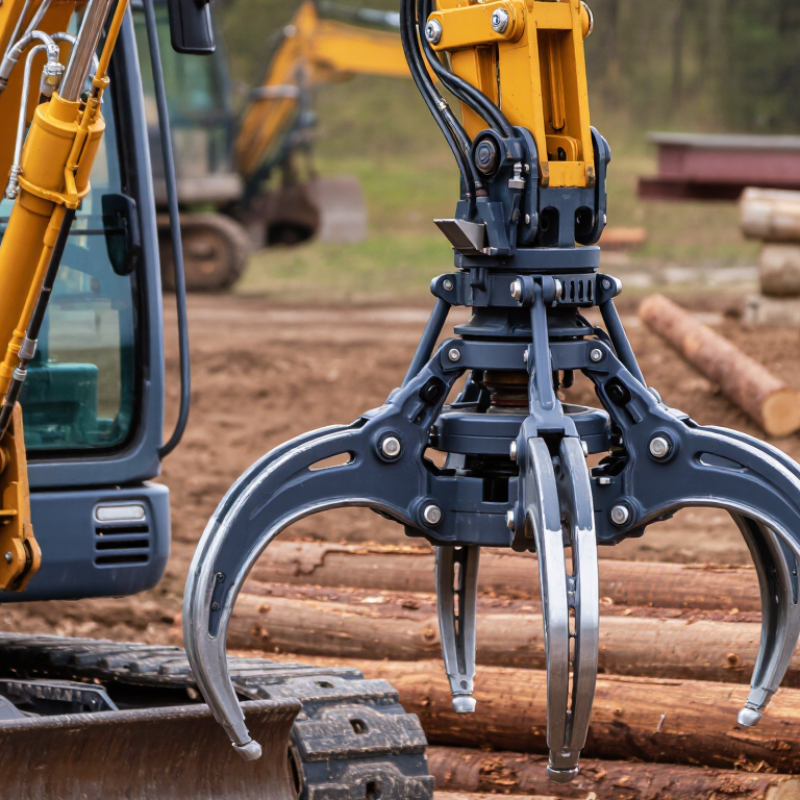
How to Choose the Best Mechanical Grapple in 2026?

What Is a Mechanical Grapple and How Does It Work?

A mechanical grapple is an attachment fitted to an excavator or other compatible machine. It has a fixed frame and one or more hinged jaws that grip material. Unlike many hydraulic grapples, it usually has no separate cylinder controlling the jaws. Instead, the operator uses the machine’s boom, stick, or bucket curl to open and close them. The exact motion depends on the grapple’s linkage and mounting style.

When the machine curls its bucket or moves the attachment against a load, the jaw pivots toward the frame and holds the material. Reversing the movement releases it. This simple action can suit logs, brush, and irregular debris, but grip and control vary with the carrier and load shape. A loose bundle of branches may shift; a heavy log can press unevenly against the jaw. Simple, but not foolproof.

Tips: Check the carrier’s weight and attachment limits before choosing a grapple. Match jaw opening and tine spacing to the material you handle most. Inspect pins, welds, and pivot points for wear, especially after work in rocky conditions. Keep people clear of the pinch area. A grapple that looks suitable in a yard may behave differently on uneven ground, so allow time to test its movement safely.

How a Mechanical Grapple Works

A typical excavator-mounted mechanical grapple uses the carrier’s bucket-curl motion and linkage to open or close its jaws around material.

The bars show sequence order only—not measured force, cycle time, or lifting capacity. When choosing a grapple, check carrier compatibility, jaw opening, material type, and rated capacity.

Which Grapple Type Fits Your Work and Material?

Choosing a mechanical grapple starts with the material, not the widest jaw you can find. In 2026, match the grapple’s shape and opening range to the loads you handle most. A rake-style grapple suits brush, roots, and uneven debris because its tines let soil fall through. For logs or bundled poles, a curved, opposing-jaw design can hold round material more securely. That matters.

For mixed demolition debris or scrap, look for jaws that can grip different shapes without leaving large gaps. Check tine spacing, jaw opening, machine weight, and attachment fit before comparing capacity. A grapple that is too heavy can reduce useful lifting power; one that is too narrow may force awkward repositioning. Mechanical models typically use the machine’s movement to open and close, so consider whether your carrier can make those motions smoothly. Tight sorting areas may demand more control than open clearing work. Not always an obvious choice.

Think about the work cycle, too. Frequent handling of brush may favor a lighter rake, while dense logs call for stronger contact surfaces and a secure hold. Ask an experienced operator to test the grapple with representative material, not just an empty attachment. A quick test can reveal poor visibility or loads that slip when tilted. I would still allow for some uncertainty: material sizes vary, and a setup that works well on dry branches may struggle with wet, tangled brush.

How to Choose the Best Mechanical Grapple in 2026? - Which Grapple Type Fits Your Work and Material?
Mechanical Grapple Type How It Works Best-Suited Materials Typical Work Main Advantages Important Limitations Best Fit When...
Fixed Excavator Thumb A fixed or manually repositioned thumb works opposite the excavator bucket. The bucket cylinder curls the bucket to grip material against the thumb. Brush, roots, irregular rocks, demolition debris, and mixed site material. Land clearing, site cleanup, sorting, and occasional object handling. Simple operation and a straightforward setup; uses the bucket and thumb together to grip irregular loads. The thumb position is not continuously controlled from the cab. Its shape and position must match the bucket and excavator geometry. You need a practical, relatively simple gripping setup and do not need frequent in-cab adjustment.
Pin-Adjustable Mechanical Thumb The operator selects from preset thumb positions using a pin or other manual adjustment. During work, the bucket provides the closing movement. Brush, logs, broken concrete, rocks, and other bulky, irregular objects. Intermittent handling where the material or task changes between work periods. Offers more setup flexibility than a fixed-position thumb without requiring hydraulic thumb actuation. Changing position generally requires stopping work and adjusting the pin. It is less convenient for rapid, repeated changes. You handle different material sizes but can set the thumb position before each task.
Linkage-Actuated Mechanical Grapple A carrier’s existing mechanical linkage moves a dedicated grapple jaw. Closing and opening behavior depends on the attachment and machine linkage design. Logs, brush, demolition material, and other objects suited to the grapple’s jaw shape and opening. Repeated picking, carrying, and placing with a compatible excavator or other specified carrier. Provides a dedicated gripping jaw and can be effective when the attachment is designed for the carrier’s linkage. Compatibility is highly machine-specific. A linkage mismatch can limit jaw movement or interfere with the bucket and attachment. The grapple manufacturer confirms the carrier model, pin dimensions, linkage geometry, and permitted machine configuration.
Rope-Operated Mechanical Clamshell Grab Suspended from a compatible crane or lifting system, the jaws close through the grab’s rope-and-sheave mechanism rather than an onboard hydraulic cylinder. Loose bulk material such as sand, gravel, aggregate, and similar free-flowing loads, depending on the grab design. Loading or unloading bulk material from stockpiles, hoppers, or suitable transport vessels. Designed to scoop and retain loose material; does not require hydraulic hoses at the grab when configured for rope operation. Requires a compatible lifting system and rope arrangement. It is generally not the right choice for gripping single, irregular objects. Your main task is moving loose bulk material with a compatible crane or lifting system.
Rope-Operated Mechanical Orange-Peel Grapple A multi-tine attachment opens and closes through a mechanical rope-operated arrangement on compatible lifting equipment. Scrap, bulky waste, and irregular material that can be captured between the tines, subject to the grapple’s design. Sorting and transferring loose, irregular material in facilities equipped for rope-operated grabs. Multiple tines can engage material from several directions and are useful for handling irregular loads. Only rope-operated mechanical models fit this category; many orange-peel grapples use hydraulic or electrohydraulic actuation instead. Confirm the operating system before selection. You need multi-tine handling and have a compatible mechanical rope system rather than a hydraulic-only setup.

Selection note: Confirm the carrier’s rated capacity, attachment weight, mounting dimensions, pin locations, linkage geometry, and permitted load limits before purchase or use. Actual capacity and suitability depend on the specific machine, attachment, material, and operating conditions.

How Do Machine Compatibility and Mounting Requirements Compare?

How to Choose the Best Mechanical Grapple in 2026? Machine Compatibility and Mounting Requirements

A good fit starts with the machine, not the grapple’s advertised capacity. Check the carrier’s operating weight, lift limits, and approved attachment range. Then compare the grapple’s weight and rated capacity with those figures. A heavy attachment can reduce useful lifting capacity and affect balance, especially when handling logs or uneven scrap. The numbers matter.

Mounting dimensions need close attention. For a pin-on attachment, measure pin diameter, pin-to-pin spacing, and mount width. With a quick coupler, confirm its exact interface and locking arrangement. Small mismatches can prevent safe engagement. Also check the grapple’s opening range and pivot geometry against the machine’s bucket or linkage. Mechanical models vary: some close through bucket curl, while others use different linkages. Verify the operating method and required clearances before ordering.

Tips: Compare measurements with the machine manual, and ask a qualified technician to confirm fit. Don’t rely on photos alone; a few millimeters can matter. If the machine is older or modified, record the mount dimensions yourself and recheck them. I’ve seen “near-fit” assumptions create frustrating delays, so allow time for a proper inspection.

Which Capacity, Jaw Design, and Build Features Matter Most?

How to Choose the Best Mechanical Grapple in 2026?

Which Capacity, Jaw Design, and Build Features Matter Most?

Capacity is more than a number on a spec sheet. Match the grapple’s rated load to your carrier, the material, and the way you work. Wet logs, tangled brush, and dense scrap can weigh far more than they look. Check the carrier’s lift limits at the actual working reach, too. A grapple rated for a large load cannot make an undersized machine lift safely.

Jaw shape affects what you can hold securely. Wide, curved jaws can gather brush and irregular limbs, while narrower openings may suit logs or demolition debris. Look at the closed gap and tine spacing; small material can slip through overly open jaws. Build details matter during daily use. Inspect pin size, reinforced hinge areas, tine thickness, and accessible wear parts. Heavy steel is not automatically better if it strains the carrier or reduces useful payload. A little compromise is normal.

Tips: Compare capacity charts, not just headline ratings. Check compatibility with your coupler and machine. Ask how pins and wear plates are replaced, and inspect welds around high-stress joints. If possible, test the grapple with the material you handle most. Specs help, but they do not tell the whole story.

How Can You Evaluate Safety, Maintenance, and Overall Value in 2026?

Choosing the best mechanical grapple in 2026 requires more than comparing lifting capacity. Safety begins with matching the grapple to the excavator, material, and working environment. Check the rated load, jaw opening, pin diameter, and mounting dimensions against verified equipment data. A grapple that feels powerful may still be unsafe when its balance is poor.

Watch the operator’s view. Clear visibility around the jaws can prevent crushed materials from shifting unexpectedly. Strong stops, protected pivot points, and secure locking hardware also matter. During field inspections, I look for cracked welds, bent tines, loose pins, and uneven jaw movement. Small defects grow quickly. They often appear after dusty or wet shifts.

Maintenance should be simple enough for a busy crew to follow. Grease points must be reachable, wear parts should be replaceable, and service instructions should be clear. Ask how often pins, bushes, and cutting edges need inspection under your actual workload. A lower purchase price can become expensive through downtime and difficult repairs. I once underestimated access around a pivot area, and routine servicing took twice as long. That mistake changed how I judge value. A reliable grapple should reduce daily friction, not merely survive a demonstration. Keep inspection records, even when the job seems uncomplicated.

FAQS

Which grapple type suits brush, roots, and uneven debris?

A rake-style grapple works well for brush, roots, and loose debris. Its tines let soil fall through. This reduces unnecessary weight. Wet, tangled brush may still slip during tilting.

What grapple design is better for logs and bundled poles?

Curved, opposing jaws usually hold round logs more securely. Strong contact surfaces help prevent rolling. Test several log sizes. A jaw that works on dry wood may struggle with wet bark.

How should I match grapple capacity to my machine?

Match the rated load with your carrier’s lifting limit at working reach. Do not rely only on the grapple’s headline capacity. Wet logs can feel surprisingly heavy. An oversized grapple may reduce useful lifting power.

What jaw opening and tine spacing should I check?

Check the closed gap, maximum opening, and tine spacing. Wide openings gather irregular brush. Smaller gaps hold short pieces and loose debris better. Tiny material can disappear through wide tines.

Which build features deserve close inspection?

Inspect pin size, hinge reinforcement, tine thickness, and high-stress welds. Look for replaceable wear plates and accessible service points. Heavy steel is not always better. It may overload a smaller carrier.

How can I test a grapple before choosing it?

Use representative material, not an empty attachment. Try brush, logs, or mixed debris from your normal worksite. Watch for poor visibility and slipping loads. A short test can reveal awkward repositioning.

What safety details should operators review?

Confirm mounting dimensions, pin diameter, jaw movement, and locking hardware. Check visibility around the jaws. Inspect for cracked welds, bent tines, loose pins, and uneven movement. Small defects can grow quickly.

How can I judge long-term value and maintenance needs?

Ask how often pins, bushes, and cutting edges need inspection. Grease points should be reachable without difficult access. Keep simple inspection records. I once underestimated pivot access, and servicing took twice as long. That mistake still matters.

Conclusion

Choosing the best Mechanical Graple in 2026 starts with understanding how it works. A mechanical grapple uses the machine’s movement, hydraulic system, or linkage to open and close its jaws, allowing operators to grip, sort, load, and move materials efficiently. The right grapple type depends on the job and material, such as logs, rocks, demolition debris, brush, or general handling. Consider whether a root grapple, rake-style design, clamshell, or specialized attachment provides the best control and protection for the intended work.

Compatibility is equally important. Check the machine’s weight, lifting capacity, hydraulic flow, mounting plate, pin dimensions, and available space before choosing an attachment. Capacity, jaw opening, tine spacing, steel thickness, reinforcement, and cylinder protection all affect performance and durability. A reliable choice should also include practical safety features, accessible grease points, replaceable wear parts, and straightforward maintenance requirements. In 2026, the best overall value comes from balancing purchase cost with productivity, service life, operator safety, and dependable performance in real working conditions.

Sophia

Sophia

Sophia is a dedicated marketing professional with an exceptional depth of knowledge about her company's products and services. With a keen understanding of market trends and customer needs, she crafts insightful blog posts that not only inform but also engage readers, enriching the company’s online......