
Huida
Efficient logging is essential for the forestry industry. The right tools can significantly enhance productivity and safety. One such tool that stands out is the Hydraulic Timber Grapple. This device is designed specifically for handling heavy logs with precision and speed.
The Hydraulic Timber Grapple offers several advantages. Its hydraulic system allows for powerful grip and maneuverability. Operators can easily pick up, transport, and stack logs with minimal effort. This efficiency reduces the time spent on each logging task, leading to greater overall productivity. However, mastering this tool requires skill and practice. Operators may face challenges in controlling the grapple's movements, highlighting the need for proper training.
Investing in a Hydraulic Timber Grapple also reflects a commitment to sustainable logging practices. This equipment minimizes damage to the surrounding environment, ensuring that forests can regenerate. Nevertheless, it is crucial to evaluate whether the costs align with your operational needs. Balancing efficiency with practicality is key. Ultimately, the Hydraulic Timber Grapple can reshape logging operations when used effectively.
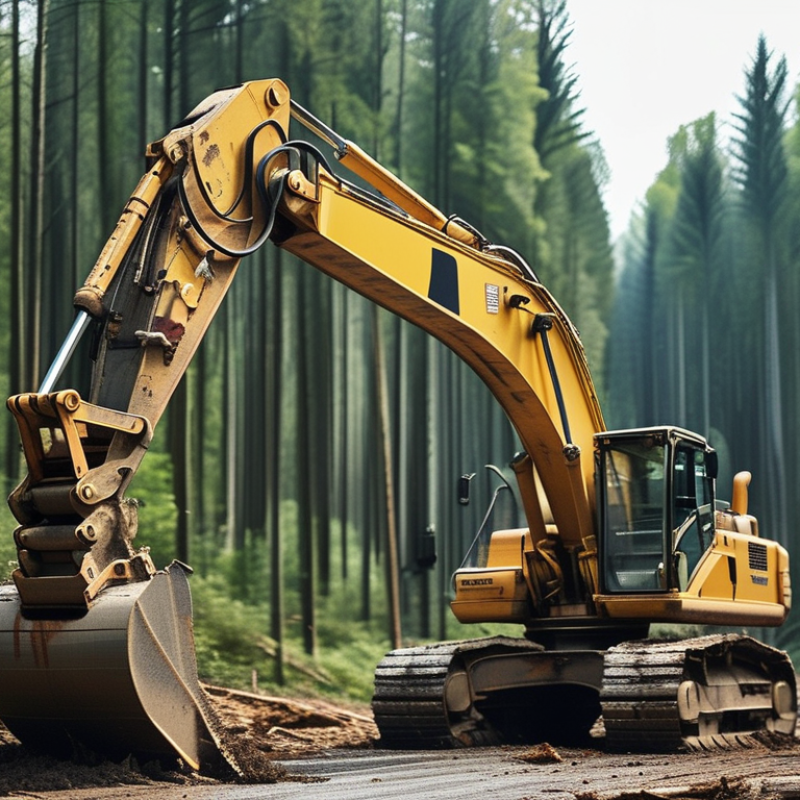
Hydraulic timber grapples have become an essential tool in modern logging operations. Their design allows for a secure grip on logs of various sizes, improving the efficiency of wood handling. Unlike traditional methods, hydraulic grapples reduce the risk of slippage and damage to the timber. With stronger hydraulics, operators can lift heavier loads with precision. This results in safer work environments and faster processing times.
Using hydraulic timber grapples also minimizes physical strain on operators. The equipment requires less manual labor, which can lead to fewer injuries. In a demanding industry, where time is crucial, this efficiency gains importance. Additionally, hydraulic grapples can adapt to different terrains, making them versatile for various logging sites. They can navigate rough conditions, but this adaptability is not without its challenges. Operators need training to master the equipment effectively.
Despite their advantages, there can be issues with maintenance and operational costs. Regular servicing is vital to ensure reliability. Neglecting this aspect can lead to equipment failures. Understanding the balance between maintenance efforts and operational efficiency is critical. Hydraulic timber grapples are undoubtedly beneficial, but users must remain vigilant about their upkeep.
The logging industry constantly looks for ways to enhance efficiency in timber handling. Traditional manual methods can be labor-intensive and time-consuming. Workers may struggle with heavy loads and can face safety hazards. In contrast, hydraulic technology significantly boosts efficiency. Reports suggest that hydraulic timber grapples can reduce labor costs by up to 30%. This means quicker processing and a higher volume of timber handled daily.
Hydraulic grapples operate with exceptional precision. They can quickly grasp and lift logs without causing damage, preserving the quality of timber. In many logging projects, this technology enables workers to cover larger areas in shorter timeframes. A study highlighted that hydraulic systems can improve loading times by as much as 50%. This efficiency translates into a better bottom line for operators.
However, reliance on hydraulic systems may introduce challenges. Equipment maintenance is crucial to ensure optimal performance. There are instances where malfunctioning equipment can lead to delays. Furthermore, understanding hydraulic systems requires proper training. Loggers must be knowledgeable to prevent accidents. Balancing technology with human skills ensures the best outcomes in timber handling.
Hydraulic timber grapples have a significant role in promoting environmental sustainability in logging. These tools allow for more precise handling of timber, which reduces damage to surrounding flora. By minimizing disturbances to the ecosystem, hydraulic grapples support healthier forest environments.
The efficiency of hydraulic grapples also means less fuel consumption. For loggers, lower fuel use translates into reduced emissions. This focus on efficiency can lead to a smaller carbon footprint. However, there are still challenges to consider. Operators must be well-trained. Improper use may cause unintended harm to the ecosystem, which can contradict sustainability efforts.
Sustainability in logging is not just about equipment. It also involves collaboration with local communities and adherence to environmental regulations. Grapples can aid in achieving sustainable practices, but responsible management is key. Ongoing training and awareness are essential for maximizing the benefits of hydraulic timber grapples.
Hydraulic timber grapples have gained popularity for logging due to their efficiency and cost-effectiveness. Investing in a hydraulic grapple can lead to significant savings over time compared to traditional equipment. The initial cost of a hydraulic grapple may seem high. However, considering its durability and versatility, many find it justified.
With hydraulic grapples, operators often complete tasks faster, reducing labor costs. Their design allows for better control and precision when handling logs. This minimizes accidental damage to the logs and the surrounding environment. Traditional equipment may lack this level of control, leading to unnecessary waste.
Maintenance is another area where hydraulic grapples shine. With fewer mechanical parts compared to traditional machines, they tend to require less frequent repairs. This reduces downtime and increases productivity. Yet, operators must remain trained and knowledgeable. Improper use can lead to costly mistakes. Investing in employee training is essential for maximizing the benefits of hydraulic grapples, ensuring that logging operations run smoothly and efficiently.
The use of hydraulic timber grapples in logging can significantly enhance safety standards. Recent studies indicate that logging remains one of the most dangerous occupations. According to the U.S. Bureau of Labor Statistics, logging has a fatality rate of 132 per 100,000 workers, higher than many other industries. Hydraulic grapples can mitigate these risks by providing greater control during log handling.
The design of hydraulic grapples allows operators to pick up, hold, and maneuver heavy logs with precision. This reduces the likelihood of accidents caused by unstable loads. Operators can use these grapples to lift logs from difficult positions, minimizing the need for workers to enter hazardous areas. Statistics show that work-related injuries in logs handling can decrease by up to 30% when using advanced gripping technologies.
Yet, challenges remain. Operators need adequate training to utilize hydraulic grapples effectively. Misuse can lead to accidents, which underscores the importance of rigorous training programs. A report by the National Institute for Occupational Safety and Health highlights the need for ongoing education in equipment operation. Enhanced safety can only be realized through both the technology and skilled operators working in tandem.
| Feature | Benefit | Safety Standard Enhancement | Usage Efficiency |
|---|---|---|---|
| Adjustable Clamping Force | Customizable for different log sizes and types | Reduced risk of accidents during handling | Higher productivity in logging operations |
| 360-Degree Rotation | Increased maneuverability in tight spaces | Better control reduces operator injury | Efficient log placement and stacking |
| Robust Construction | Durability in challenging environments | Minimized equipment failure risk | Longer operational lifespan |
| Hydraulic Power | Maximized force with minimal operator effort | Safer operation with less physical strain | Increased log handling speed |
| Lightweight Design | Easier to transport and install on machinery | Enhances overall site safety | Lower fuel consumption per task |
: They are used for handling logs in logging operations, improving efficiency and grip.
They provide better control while lifting logs, reducing the risk of accidents significantly.
Yes, they can lift heavier loads with precision, enhancing overall productivity in timber handling.
They reduce physical strain on operators and can adapt to different terrains effectively.
Operators require training to master the equipment, which can be complex and requires skill.
Regular maintenance ensures reliability and prevents equipment failures that can disrupt operations.
Reports suggest it can reduce labor costs by up to 30%, leading to quicker processing times.
Equipment malfunctions can lead to delays, requiring ongoing training and maintenance to mitigate risks.
They lift logs without causing damage, preserving the quality during handling and transportation.
Adequate training minimizes accidents and maximizes the safe and efficient use of hydraulic grapples.
The article "Why Choose Hydraulic Timber Grapple for Efficient Logging?" explores the numerous advantages of incorporating Hydraulic Timber Grapples in logging operations. By leveraging hydraulic technology, these grapples significantly enhance efficiency in timber handling, surpassing traditional manual methods. They streamline the loading and unloading process, enabling operators to manage larger volumes of timber with greater speed and precision.
Moreover, Hydraulic Timber Grapples contribute to environmental sustainability by minimizing damage to surrounding vegetation during logging, thus preserving the ecosystem. The cost savings associated with investing in hydraulic grapples, compared to traditional logging equipment, highlight their long-term economic viability. Additionally, they play a vital role in enhancing safety standards in the logging industry by reducing manual lifting and the risk of injuries. Overall, the adoption of Hydraulic Timber Grapples represents a progressive step towards more efficient, cost-effective, and safer logging practices.
