Choosing the right hydraulic shear can significantly impact manufacturing efficiency and product quality. In a recent industry report, it was noted that companies that select proper equipment could see productivity increases by over 25%. This number highlights the crucial role a hydraulic shear plays in metal fabrication. With the market projected to grow at a CAGR of 4.2% by 2025, understanding how to choose the right hydraulic shear is more critical than ever.
Many features influence the decision-making process. Factors such as blade material, shear capacity, and operation speed must be scrutinized. The wrong choice can lead to operational inefficiencies and safety risks. A poorly selected hydraulic shear can cost businesses thousands in downtime and repairs.
Functionality and reliability are paramount. A shear must not only cut efficiently but also maintain performance over time. According to industry experts, approximately 30% of businesses face challenges due to outdated or improperly selected equipment. Reflecting on these insights will guide you in making informed choices when investing in hydraulic shears.
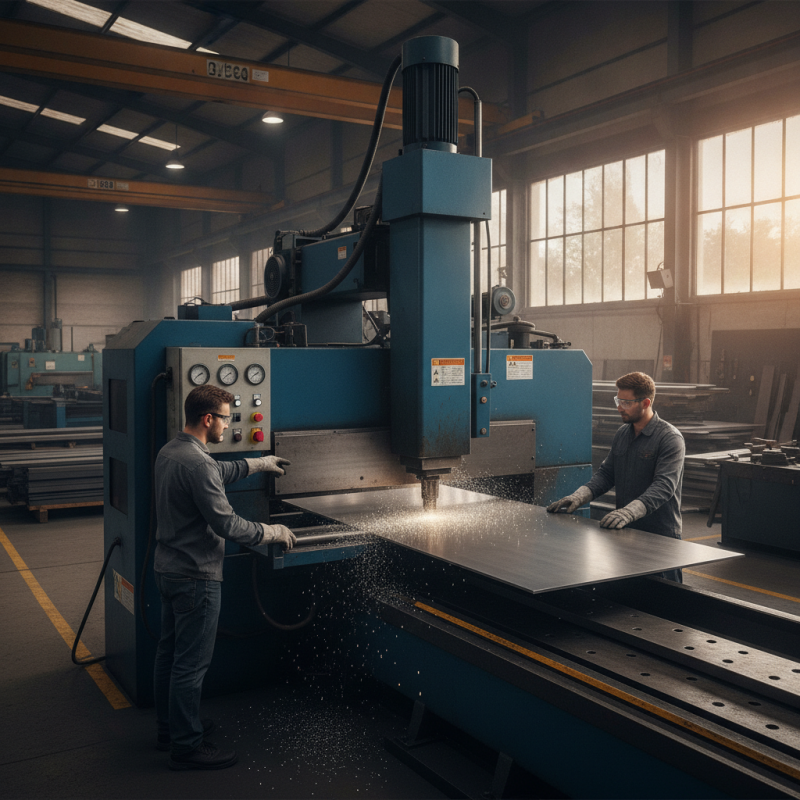
Understanding Hydraulic Shears and Their Applications
Hydraulic shears play a crucial role in
metal fabrication and construction industries.
These machines cut through various materials, offering precision and efficiency. According to a
recent industry report by MarketsandMarkets, the global hydraulic shears market is expected to grow significantly,
reaching over $1 billion by 2025. This growth reflects the increasing demand for automation and
high-quality production standards.
Understanding the applications of hydraulic shears is essential for making the right choice.
These devices are versatile, capable of cutting sheet metal, bars, and
plates. They are commonly used in metalworking shops
and recycling facilities. Proper selection ensures optimal performance and longevity. Factors such as
cutting capacity, stroke length,
and control system should be critically assessed.
However, many users overlook energy efficiency. According to a survey,
nearly 40% of operators report higher energy costs due to inefficient machines.
Recognizing the energy impact can help in choosing the best model. It’s crucial to balance power with
operational costs and future maintenance needs. Prioritizing these aspects can lead to more informed
decision-making.
Key Features to Consider When Selecting a Hydraulic Shear
Choosing the right hydraulic shear can be a daunting task. Understanding key features is essential to make an informed decision. Look for hydraulic shears that provide adjustable cutting angles. This allows for versatility in handling various materials and thicknesses. Shears with multiple speed settings enhance efficiency. A faster cut can increase productivity, especially in high-demand environments.
Durability is another crucial aspect. Steel construction often indicates a robust design. A reliable hydraulic system minimizes breakdowns. Regular maintenance is necessary for longevity, but it’s important to choose a machine that requires minimal upkeep.
Don't overlook user-friendliness. Ergonomic controls and clear displays make operation easier. Consider models with safety features like emergency stop buttons. Quality shears should offer warranties that reflect the manufacturer’s confidence. This is a sign of a product built to last. Each of these features impacts the overall value of the machine.
Evaluating Shear Capacity and Cutting Thickness Requirements
When evaluating shear capacity, it’s crucial to consider the material being cut and its thickness. Industry studies show that for mild steel, a common thickness for hydraulic shears is up to 10 mm. However, this can vary based on machine specifications and the type of material. For thicker materials, such as stainless steel, the shear capacity might decrease significantly. A report from the National Association of Manufacturers indicates that improper matching of shear capacity to material thickness can lead to operational failures and increased wear on the cutting blades.
Cutting thickness requirements differ for various applications. Many industry experts recommend evaluating the maximum capacity of your shear against the thickness of the material. One study found that nearly 65% of shearing problems stem from miscalculating the required cutting thickness. This often results in increased downtime and higher operational costs. Proper training and understanding of these specifications can mitigate risks. It's vital to reflect on past experiences to enhance precision in choosing the right hydraulic shear, as inadequacies can lead to costly errors in production.
Assessing Build Quality and Maintenance Needs of Hydraulic Shears
When selecting a hydraulic shear, assessing build quality is crucial. Look for robust materials that withstand heavy use. Check for features like reinforced blades and stable frames. Quality components ensure reliable operation. They contribute to precision and longevity, reducing the frequency of breakdowns.
Maintenance needs should also factor into your decision. Hydraulic shears may require regular hydraulic fluid checks and blade sharpening. It can be cumbersome if not designed for easy access. Moreover, consider the manufacturer's guidelines on maintenance. Some models demand more than others. This aspect can influence downtime and productivity in your project.
Understanding build quality and maintenance features helps you avoid costly mistakes. An operator might rush into purchasing without a thorough inspection. This widely seen issue can lead to regret down the line. Balancing these elements fosters informed choices, ultimately enhancing operational efficiency.
Comparing Cost vs. Benefit: Budgeting for Your Hydraulic Shear Purchase
When budgeting for a hydraulic shear, it's crucial to weigh costs against benefits. The initial investment can be substantial. However, the right shear can significantly enhance productivity. Consider the long-term gains over the upfront expenses. A more expensive model may offer features that lower operational costs, reducing maintenance and downtime.
Evaluate your specific needs carefully. A cheaper shear might suffice for light tasks. But if your operations involve heavy-duty cutting, investing in a reliable unit pays off. Think about the future too. Will your production demands grow? It’s worth purchasing a machine that can adapt to increasing workloads.
Explore financing options if the upfront cost is daunting. Leasing or loans can facilitate budget management. Always check the warranty and service support. A seemingly lower price may include hidden costs in repairs. Ultimately, clarity in your budget and understanding of the shear’s role in your operations guide smarter purchasing decisions.
Top 10 Tips for Choosing the Right Hydraulic Shear
| Tip |
Considerations |
Cost Estimate ($) |
Benefits |
| 1. Define Your Needs |
Determine material types and thicknesses to be sheared. |
Free |
Prevents unnecessary spending; ensures machine efficiency. |
| 2. Evaluate Blade Quality |
Look for hardened and durable materials. |
150 - 300 |
Long-lasting performance reduces future costs. |
| 3. Check Shear Capacity |
Ensure it fits your workload requirements. |
2000 - 5000 |
Higher productivity; less downtime. |
| 4. Assess Features |
Look for advanced controls and safety features. |
300 - 800 |
Increased safety and ease of use. |
| 5. Consider Brand Reputation |
Choose trusted brands with good customer service. |
Varies |
Better support and reliability. |
| 6. Read Reviews |
Research user experiences and feedback. |
Free |
Informed decisions based on real-world use. |
| 7. Compare Prices |
Look at various suppliers for the best deal. |
500 - 1500 |
Budget-friendly choices without compromise. |
| 8. Factor Maintenance Costs |
Include service and part replacement in budget. |
200 - 600/year |
Sustains efficiency over time; avoids unplanned expenses. |
| 9. Inquire About Warranty |
Understand coverage terms and conditions. |
Free |
Protection against manufacturing defects. |
| 10. Seek Expert Advice |
Consult with industry professionals for insights. |
Free - 200 |
Tailored recommendations based on experience. |
Conclusion
When selecting the right hydraulic shear, it's essential to understand both the tool's functionalities and its applications in various industries. Hydraulic shears are critical for efficiently cutting through materials of varying thicknesses, so evaluating shear capacity is crucial to meet specific project requirements. Key features such as blade quality, cutting speed, and safety elements should also be considered alongside maintenance needs to ensure longevity and performance.
Additionally, budgeting for a hydraulic shear purchase requires a careful comparison of cost versus potential benefits. By ensuring that the selected hydraulic shear meets both operational demands and budget constraints, users can optimize their investment and enhance productivity in their operations. Overall, making an informed choice will lead to successful and efficient cutting solutions.
 Huida
Huida
