Huida Huida

China Top 10 Excavator Accessories Manufacturers?

Time:2026-10-24 Author:Isabella
0%

China has become a major sourcing base for excavator components, attachments, and replacement parts. Its manufacturers serve construction, mining, demolition, forestry, and agricultural contractors worldwide. Yet quality varies widely between suppliers. A polished catalog does not guarantee dependable field performance.

This guide examines China’s top 10 Excavator Accessories manufacturers through practical buying criteria. These include material strength, machining accuracy, hydraulic compatibility, safety testing, production capacity, warranty support, and export experience. It also considers less visible details. A bucket’s cutting edge may look strong, but poor welding can appear after several weeks of hard digging. A quick coupler may save minutes, yet incorrect pin measurements can create serious downtime.

Bryan Furnace, an excavator-attachment specialist at Nye Manufacturing, once stated, “An attachment is only as good as the machine, operator, and application behind it.” That point deserves attention. The cheapest supplier may not be the most economical choice. However, the highest quoted price does not always indicate superior engineering.

This ranking is not universal. Project conditions differ. Soil, working depth, excavator weight, local standards, and maintenance practices all influence product value. Some manufacturers have stronger export systems, while others provide better customization or faster domestic delivery. Buyers should verify certifications, factory capabilities, references, and after-sales terms directly. Product photographs are not enough.

The companies discussed here represent different strengths within China’s Excavator Accessories industry. Their actual suitability depends on your equipment and worksite. Careful comparison remains essential.
China Top 10 Excavator Accessories Manufacturers?

What Are Excavator Accessories and Why Do They Matter?

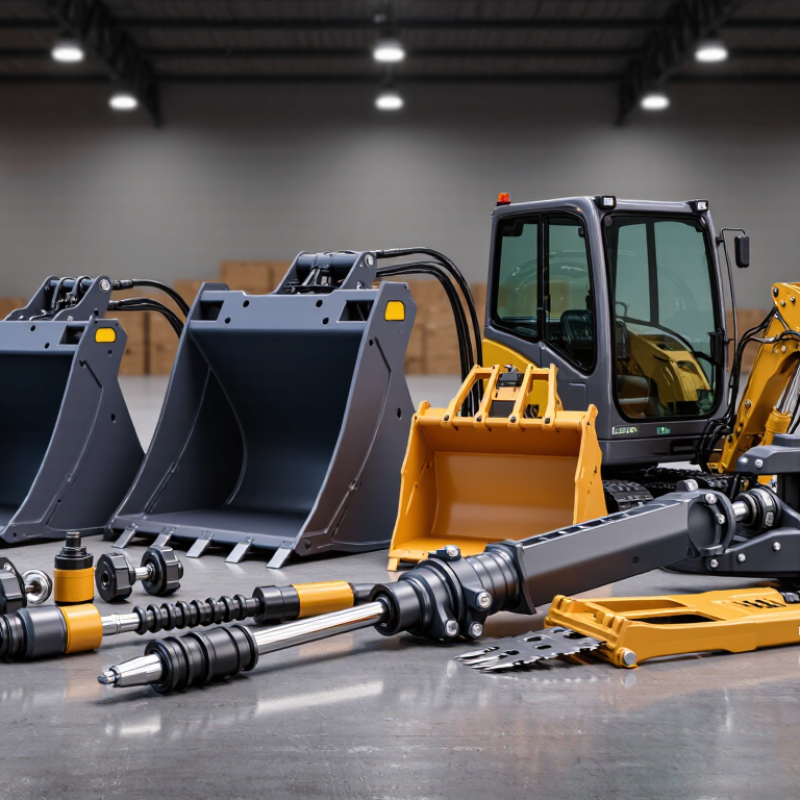
Excavator accessories include buckets, hydraulic breakers, quick couplers, thumbs, augers, hoses, teeth, and protective guards. They change how one machine performs on different jobs.

A narrow bucket can improve trench accuracy. A breaker can turn demolition work into a controlled sequence.

Small parts matter, too. A worn tooth may increase fuel use and reduce digging speed.

The market evidence is substantial.

KHL’s Yellow Table 2024 reported global construction equipment sales of about 238.4 billion US dollars in 2023. Grand View Research valued the global construction equipment market at roughly 181.7 billion US dollars in 2023. It also forecast about 6.3% annual growth from 2024 to 2030.

These figures do not measure accessories alone, but they show the equipment base that accessories support. For buyers comparing China’s top ten excavator accessory manufacturers, fit, steel quality, hydraulic pressure, and replacement availability deserve equal attention.

Field experience suggests that the cheapest attachment is rarely the lowest-cost choice. Poor alignment can damage pins, bushings, and the excavator linkage. Still, premium pricing is not automatic proof of better performance.

Buyers should request load ratings, material specifications, welding procedures, and test records. Ask for evidence.

This step is often missed. Houser operators also notice practical details, such as grease access, tooth replacement time, and transport weight. Reports provide market direction, but jobsite feedback reveals daily reliability. The decision remains imperfect. Soil, operator habits, and maintenance quality can change results.

How to Evaluate China’s Excavator Accessories Manufacturers

When comparing China’s excavator accessories manufacturers, start with evidence, not impressive catalogs. Ask for the factory address, production photos, and recent inspection records. A reliable supplier should explain material grades, heat treatment, machining tolerances, and coating methods clearly. Vague answers deserve caution. Very simple.

Request samples matching your machine model, operating weight, and working environment. Check pin diameter with calipers, measure bushing hardness, and inspect weld penetration under strong light. For hydraulic components, require pressure-test data, seal specifications, and batch traceability. Test fit matters more than a polished sample. Ask how rejected parts are recorded and corrected. A small trial order can expose weak packaging, inconsistent dimensions, or delayed communication. I would not judge quality from one perfect component. That judgment feels tempting, but incomplete.

Evaluate engineering support after payment. Can the team read drawings, revise a tolerance, and suggest safer materials without exaggerating? Verify export documents, warranty terms, replacement procedures, and response times in writing. Independent audits help, but they are only snapshots. Visit the plant when possible, observe incoming inspection, and compare actual equipment with the promised process. Cost still matters, yet an unusually low quote may hide thinner steel or unstable heat treatment. Leave room for mistakes. Even experienced buyers can overlook corrosion protection during humid ocean transport.

China Top 10 Excavator Accessories Manufacturers? - How to Evaluate China’s Excavator Accessories Manufacturers

Rank Evaluation Dimension What to Verify Reliable Evidence Suggested Weight Recommended Rating
1 Product Compatibility Confirm compatibility with the excavator’s model, operating weight, hydraulic flow, pressure, pin diameter, center distance and mounting interface. Technical drawings, dimensional inspection records, compatibility lists and fitment samples. 18% 1–5 points
2 Material and Heat Treatment Check whether steels, castings, forgings and wear components are selected for the intended load, abrasion and impact conditions. Material certificates, chemical-composition reports, hardness reports and heat-treatment records. 15% 1–5 points
3 Manufacturing Quality Control Evaluate process control for cutting, machining, welding, assembly, surface treatment and final inspection. Quality manual, inspection plans, calibration records, nonconformance procedures and factory audit results. 15% 1–5 points
4 Testing and Validation Verify that attachments and hydraulic accessories are tested under relevant operating loads, pressure, leakage and functional conditions. Load-test records, pressure-test reports, dimensional inspection results, photographs and sample test videos. 12% 1–5 points
5 Engineering and Customization Assess the ability to modify dimensions, hydraulic circuits, mounting systems and materials for different machines or applications. CAD drawings, engineering change records, prototype samples and documented technical support. 10% 1–5 points
6 Certifications and Compliance Check whether the supplier maintains applicable quality, environmental, safety and product-compliance documentation for the destination market. Valid management-system certificates, declarations of conformity and market-specific compliance files. 8% 1–5 points
7 Production Capacity and Lead Time Compare realistic monthly capacity, production scheduling, peak-season capability and standard versus customized lead times. Capacity statements, production plans, order records with confidential details removed and delivery performance data. 7% 1–5 points
8 Warranty and After-Sales Support Review warranty scope, exclusions, response time, spare-parts availability and procedures for handling quality claims. Written warranty terms, service workflow, replacement-parts list and anonymized claim-resolution records. 6% 1–5 points
9 Export Packaging and Logistics Assess export packaging, corrosion protection, load securing, shipping documents and experience with the destination country. Packaging specifications, packing photographs, export documentation samples and logistics process records. 4% 1–5 points
10 Total Cost of Ownership Compare purchase price together with service life, maintenance, downtime risk, replacement parts, freight and warranty exposure. Comparable quotations, lifecycle assumptions, spare-parts pricing and documented operating-cost estimates. 5% 1–5 points
Total Evaluation Weight 100% Weighted Score
Scoring guide: 5 = excellent and independently verified; 4 = strong evidence; 3 = acceptable but incomplete evidence; 2 = significant gaps; 1 = unverified or unacceptable. Rank suppliers by multiplying each rating by its suggested weight and summing the results.

China’s Top 10 Excavator Accessories Manufacturers

China’s Top 10 Excavator Accessories Manufacturers

China’s top ten excavator accessories manufacturers are often compared by quality, production control, and after-sales reliability. Strong suppliers usually produce hydraulic pumps, control valves, swing motors, track components, buckets, and sealing kits. Their workshops should show clean assembly areas, labeled parts, and traceable inspection records. Real experience matters. A component that fits perfectly on paper may still fail after hours of dust, heat, and vibration.

Manufacturers with professional engineering teams can match accessories to different excavator models and working conditions. They should provide material certificates, dimensional reports, pressure-testing records, and clear warranty terms. Reliable factories also understand export packaging. Heavy parts need reinforced crates, moisture protection, and visible handling marks. Some suppliers offer attractive prices but limited technical support. That weakness can become expensive during urgent repairs.

Tips: Check sample tolerances before bulk orders. Ask for test reports. Confirm model compatibility. Inspect the sealing surfaces carefully.

Buyers should evaluate delivery consistency, replacement procedures, and communication speed. A responsive supplier can reduce equipment downtime. Factory audits are useful, although they are not perfect. A polished showroom proves little without production evidence. I would also compare several samples under the same load conditions. Small differences in steel hardness or machining accuracy may become obvious later. Even experienced buyers can overlook packaging damage, incomplete manuals, or unclear return terms. These details deserve attention before payment.

China Top 10 Excavator Accessories Manufacturers

The chart compares indicative replacement intervals for ten common excavator accessories and wear parts, measured in operating hours. Actual service life depends on machine size, material conditions, operator practice, maintenance quality, and working environment. The data represents industry planning ranges and does not identify individual companies or brands.

Key Products and Technologies Offered by Leading Manufacturers

China’s leading excavator accessory manufacturers cover a broad range of replacement parts and work tools. Their key products include buckets, ripper teeth, quick couplers, hydraulic cylinders, pumps, filters, seals, tracks, rollers, and sprockets. Some factories also supply demolition breakers, augers, grapples, and tilt attachments for specialized projects. These products support construction, mining, agriculture, road maintenance, and material handling.

Manufacturing technology separates reliable suppliers from ordinary workshops. Many use CNC machining, robotic welding, heat treatment, and three-dimensional measuring systems. Hydraulic components often receive pressure testing before shipment. Undercarriage parts need controlled alloy composition and surface hardening. Better manufacturers also use batch codes, inspection reports, and digital traceability. This helps buyers identify production dates and replace matching components faster.

Field experience still matters. A bucket may look strong, yet poor steel quality can cause cracks around the adapter. A hydraulic seal may fit correctly but fail under high heat. Not every catalog matches every excavator model. Buyers should verify dimensions, operating weight, pressure ratings, and working conditions. Some suppliers offer sample testing, technical drawings, and installation guidance. These services reduce costly errors, although quality checks should never stop at the factory door. Performance can change with dust, uneven loading, and operator habits.

How to Choose the Right Chinese Supplier for Your Needs

China Top 10 Excavator Accessories Manufacturers?

How to Choose the Right Chinese Supplier for Your Needs

Choosing from China’s top excavator accessories manufacturers requires more than comparing prices. Match the supplier to your machine model, working environment, and replacement schedule. Ask for material grades, dimensional tolerances, heat-treatment records, and load-test results. A serious factory should explain these details clearly. Request samples before placing a large order. Check tooth fit, pin alignment, weld quality, and surface finish under real workshop conditions. Small gaps can become expensive failures.

Tips: Verify factory registration, production capacity, inspection procedures, and export experience. Request recent inspection photos, not only polished catalog images. Confirm packaging strength for sea transport and agree on spare-part quantities. A written specification prevents many misunderstandings. Independent inspection may cost more, but it can protect a larger investment.

A low quotation often looks attractive, yet it may hide weaker steel or inconsistent machining. I have learned that fast replies do not always mean dependable support. Evaluate response quality, not just response speed. Ask how the supplier handles defective parts, delayed shipments, and design changes. Check whether replacement parts remain available after the first order. Some suppliers promise everything. That deserves caution. A practical trial order reveals more than a long sales presentation. Keep records of measurements, delivery dates, and field performance. Your first choice may still need adjustment. A reliable partnership grows through evidence, clear communication, and honest review.

FAQS

What excavator accessories do Chinese manufacturers commonly supply?

Common products include buckets, ripper teeth, couplers, hydraulic cylinders, pumps, filters, seals, tracks, rollers, and sprockets. Some factories also make breakers, augers, grapples, and tilt attachments.

Which manufacturing technologies indicate better product quality?

Look for CNC machining, robotic welding, heat treatment, and three-dimensional measurement. Hydraulic parts should receive pressure testing before shipment. Undercarriage parts need controlled alloys and hardened surfaces.

How can I confirm that a part fits my excavator?

Check the machine model, operating weight, dimensions, pressure ratings, and working conditions. Confirm tooth fit and pin alignment. Small gaps can cause major failures.

Should I request samples before placing a large order?

Yes. Test a bucket, seal, or tooth in a real workshop. Inspect welds, surface finish, pin movement, and material thickness. A sample often reveals hidden problems.

What documents should a supplier provide?

Request material grades, dimensional tolerances, heat-treatment records, and load-test results. Inspection reports and batch codes improve traceability. Recent inspection photos are useful, too.

Why can a low quotation create problems later?

A low price may reflect weaker steel or inconsistent machining. Poor bucket steel can crack near the adapter. A cheap seal may fail under high heat.

How should I evaluate supplier communication?

Judge response quality, not only response speed. Ask about defective parts, shipping delays, design changes, and replacement availability. Fast replies are not proof of dependable support.

What should I record during a trial order?

Record measurements, delivery dates, packaging condition, and field performance. Check parts after exposure to dust and uneven loading. My checklist may miss something, so review it after use.

Conclusion

This article explores the role of Excavator Accessories in improving machine performance, safety, durability, and operating efficiency. It explains how components such as buckets, hydraulic attachments, undercarriage parts, quick couplers, cutting edges, and wear-resistant accessories can influence an excavator’s productivity in construction, mining, agriculture, and infrastructure projects. The article also outlines practical criteria for evaluating Chinese manufacturers, including product quality, material selection, engineering capabilities, manufacturing standards, testing procedures, customization options, delivery reliability, and after-sales support.

It presents a research-based overview of China’s top 10 excavator accessories manufacturers without focusing on brand promotion, highlighting the key products and technologies commonly offered by leading suppliers. Finally, readers will learn how to select the right Chinese supplier by comparing technical specifications, certifications, production capacity, pricing, communication, warranty terms, and long-term service capabilities. This guidance helps buyers identify dependable partners and choose accessories that match their equipment, working conditions, budget, and operational goals.

Isabella

Isabella

Isabella is a dedicated marketing professional with a sharp focus on driving brand growth and engagement through strategic content creation. With an extensive background in digital marketing, she combines her passion for storytelling with her keen understanding of industry trends to deliver......