
Huida Huida

Top 10 Hydraulic Shear Manufacturers in the World

Time:2026-10-31 Author:Amelia
0%

A Hydraulic Shear may look straightforward on a factory floor: a steel frame, guarded blades, and hoses feeding a hydraulic cylinder. Yet cut quality depends on how these parts work together. Pressure, blade clearance, frame stiffness, control response, and maintenance access all matter. A high capacity rating alone proves little.

Hydraulic engineer Herbert E. Merritt, author of Hydraulic Control Systems, provides a useful technical lens. A practical paraphrase of his systems-based approach is: “Judge the complete hydraulic system, not its pressure rating alone.” This is an editorial paraphrase, not a verbatim quotation. It matters when comparing manufacturers, because two machines with similar specifications may differ in repeatability, service support, and performance under daily production loads.

This guide examines ten Hydraulic Shear manufacturers around the world. It considers machine design, available configurations, application range, and the practical details buyers can verify with suppliers. Look closely at how each maker describes blade adjustment, operator safeguards, spare parts, and technical assistance. Ask for evidence, not just polished catalog language. No ranking can fit every workshop. A compact sheet-metal shop and a heavy fabrication plant need different things. Treat this list as a starting point, then match each machine to your material, cut thickness, workload, and floor space. Even a careful comparison has limits. Specifications do not tell the whole story.
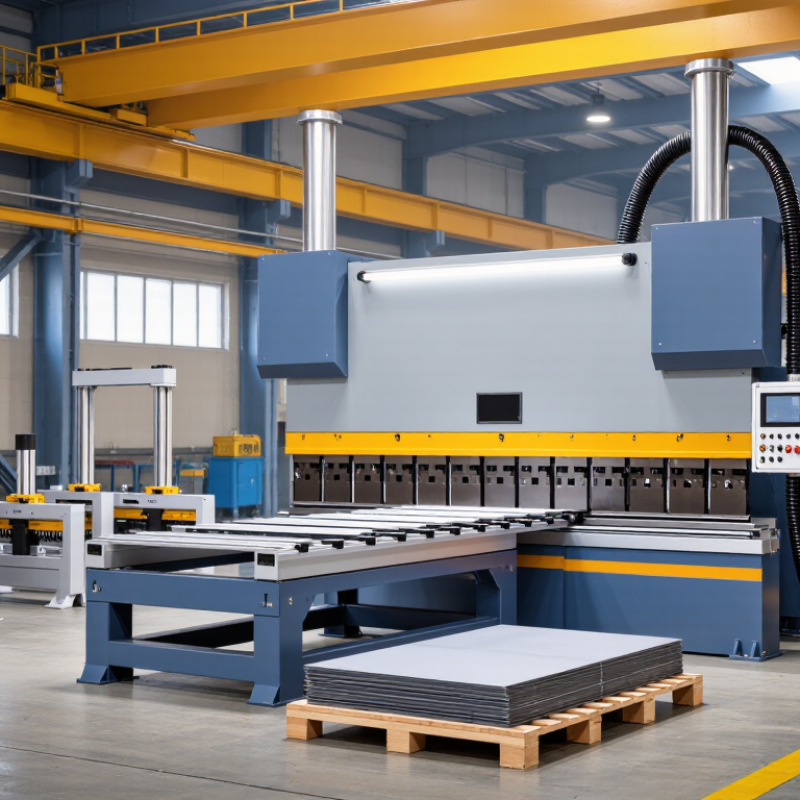
Top 10 Hydraulic Shear Manufacturers in the World

Hydraulic Shears: Main Types, Components, and Industrial Uses

Hydraulic Shears: Main Types, Components, and Industrial Uses

Hydraulic shears convert fluid pressure into blade force, cutting sheet, plate, or scrap with a controlled stroke. Guillotine models use a straight descending blade and suit plate work. Swing-beam shears pivot the upper blade, making them common in sheet-metal shops. Alligator shears use hinged jaws to cut bulky offcuts and sorted scrap.

Different jobs, different blades.

Machine Components and Settings

A typical machine combines a rigid frame, hydraulic cylinders, upper and lower blades, hold-downs, a backgauge, and operating controls. Operators adjust blade clearance and rake angle to match material thickness. Incorrect settings can leave burrs or distort the cut.

It is not trivial. The World Steel Association’s World Steel in Figures 2024 reports global crude steel production of 1,892.2 million tonnes in 2023. That scale helps explain the need for reliable cutting equipment. The U.S. EPA’s 2018 Facts and Figures reports a 73.8% recycling rate for steel packaging; that figure applies to packaging, not all steel scrap.

Industrial Uses and Safety

In recycling yards, shears reduce sorted sections into manageable furnace feed. Fabricators use them to trim plate for machinery, vehicle structures, and enclosures. Yet speed alone can mislead. Blade wear, feed alignment, and guarding affect output and operator safety.

On a busy shift, routine inspection can be overlooked.

Criteria for Ranking the World's Leading Hydraulic Shear Manufacturers

Ranking hydraulic shear manufacturers requires more than comparing advertised cutting force. A useful assessment checks whether each machine suits real production needs, including material type, thickness, sheet width, and daily duty cycle.

Review rated capacity alongside blade length, blade-gap adjustment, stroke rate, and frame rigidity.

Numbers can mislead.

Ask for documented test results using specified materials, and check whether cuts remain clean across the working width. Burrs, tapered edges, or excessive vibration can reveal problems that a brochure may not show.

Reliability deserves equal weight. Look for consistent hydraulic pressure, accessible maintenance points, clear operating instructions, and readily available replacement blades and seals.

Safety features should be described precisely, including guarding and emergency-stop arrangements. Service response times matter when a machine is essential to a production line.

Compare warranty terms and technical support using written details, not broad promises.

That matters.

A fair ranking should give more weight to verifiable performance and support than to marketing claims.

Still, no scoring system is perfect: factory testing may not match every workshop’s material, operator skill, or maintenance habits. The criteria should be transparent, and the final choice should reflect the buyer’s actual workload.

Profiles of the Top 10 Hydraulic Shear Manufacturers

Profiles of the ten leading hydraulic shear manufacturers are most useful when they explain machine behavior, not just rated capacity. Compare cutting length, maximum plate thickness, blade-gap adjustment, stroke rate, and frame construction. These details affect edge quality on a 6 mm mild-steel sheet and stability during repeated cuts. Look for clear specifications on hydraulic pressure, motor power, controls, guarding, and maintenance access. Not just tonnage. A high capacity rating alone cannot establish consistent cuts or long service life.

Market data provides useful context, but it needs careful interpretation. World Steel Association’s World Steel in Figures 2024 reports 1,892.2 million tonnes of crude steel production in 2023, indicating the scale of material processing behind fabrication demand. This is not a measure of shear sales. The International Federation of Robotics’ World Robotics 2024 report records 541,302 industrial robot installations in 2023, reflecting continued factory automation. Manufacturer profiles can note CNC backgauges, programmable settings, and integration readiness, while distinguishing standard features from optional upgrades. Service response, spare-blade availability, training, and published tolerances deserve equal attention. Specifications look tidy on paper; real sheet variation and maintenance habits complicate the picture.

Hydraulic Shear Capacity: Common Nominal Sheet Thickness Classes

These thickness values represent commonly encountered nominal capacity classes for hydraulic shears, not a manufacturer ranking or market-share comparison. Actual cutting capacity depends on material strength, blade clearance, and machine configuration.

Comparing Manufacturers by Product Range, Capacity, and Global Reach

Comparing ten hydraulic shear manufacturers requires more than reading model names. Product range shows whether a supplier offers compact workshop shears, heavy-duty machines, or options for different materials. A wide catalog can be useful, but it does not prove every model suits your workload. Check cutting force, blade length, sheet thickness, and duty cycle against the materials you process. Rated capacity alone can be misleading.

Tips: Ask for capacity data on your actual material grade. Confirm local parts availability, technician response times, and installation support. Request a sample cutting test when practical.

Global reach matters when a machine must keep running far from the factory. Look for clear service contacts, documented spare-parts support, and manuals in a language your operators understand. Compare delivery and commissioning arrangements, not just shipping destinations. Manufacturer claims deserve checking against user references and technical documents. Some details remain hard to compare: published capacity figures may use different test conditions. That makes a neat ranking imperfect, but transparent criteria help buyers make a sounder choice.

Factors to Consider When Choosing a Hydraulic Shear Supplier

A hydraulic shear is only as dependable as its sizing assumptions and after-sales support. Compare rated capacity using your actual material grade, not mild-steel figures alone; tensile strength affects cutting force. Ask suppliers to cut your own plate at maximum thickness and at a common production gauge. Inspect burrs, blade clearance, hold-down pressure, and backgauge repeatability. A clean showroom cut proves little. Run a real test.

Supplier capability includes commissioning, operator training, spare blades, seals, and hydraulic troubleshooting. Request response-time commitments and parts lead times. Check guarding, emergency stops, and maintenance procedures against applicable local standards. The International Federation of Robotics reported 541,302 industrial robots installed worldwide in 2023, with 4.28 million operating units (World Robotics 2024). That scale makes controls integration and service support relevant selection questions, even for a standalone shear. Still, automation claims need a live demonstration, not just a brochure.

Tips: Bring sample plate and a cut schedule to acceptance testing. Record material grade, thickness, cut length, and edge condition. Ask who covers rework if results miss agreed tolerances. Compare total ownership cost, not just purchase price. Revisit the specification after operators test the machine; their feedback may expose gaps.

FAQS

What does a hydraulic shear do?

It uses fluid pressure to drive blades through sheet, plate, or scrap. The controlled stroke helps produce consistent cuts.

What are the main types of hydraulic shears?

Guillotine shears use a straight descending blade for plate work. Swing-beam models pivot the upper blade and suit many sheet-metal shops. Alligator shears use hinged jaws for bulky offcuts. Different jobs, different blades.

Which parts affect cut quality?

Blade condition, clearance, rake angle, hold-down pressure, and feed alignment all matter. Incorrect settings can leave burrs or distort the material.

How should a machine’s capacity be checked?

Compare its rated capacity with your material grade, thickness, and cutting schedule. Tensile strength can change the required cutting force. A rating alone may not tell the whole story.

What should buyers check during a cutting test?

Bring sample plate in the grades and thicknesses you commonly process. Record cut length, edge condition, burrs, and backgauge repeatability. Run a real test.

What support should a shear supplier provide?

Ask about commissioning, operator training, spare blades, seals, and hydraulic troubleshooting. Confirm parts lead times and technician response arrangements before purchase.

Why do guarding and routine inspections matter?

Guards and emergency stops help protect operators, while inspections can reveal blade wear or alignment problems. Busy shifts make checks easy to overlook.

How can manufacturers be compared fairly?

Compare product range, cutting capacity, service access, manuals, and parts support. Published figures may use different test conditions, so rankings can be imperfect. I would verify claims with technical documents and user references.

Conclusion

This article introduces the main types of Hydraulic Shear, their key components, and their roles in industrial applications such as metal processing and fabrication. It also explains how leading manufacturers can be assessed using practical criteria, including product quality, engineering capability, production capacity, reliability, and customer support.

Profiles of ten manufacturers provide a framework for comparing product ranges, cutting capacities, and international reach without treating any single factor as decisive. The article concludes with guidance for selecting a supplier, emphasizing the importance of matching machine specifications to material requirements, production volume, available service, and long-term operating needs. Together, these topics help readers make a more informed comparison and identify a Hydraulic Shear solution suited to their workplace.

Amelia

Amelia

Amelia is a seasoned marketing professional with a wealth of expertise in our company’s core offerings. With an unwavering passion for driving growth and innovation, she plays a pivotal role in shaping our marketing strategies and enhancing brand visibility. A key aspect of her responsibilities......