
Huida
The use of a Double-Locking Hydraulic Coupler has been gaining traction in various industries. These couplers provide enhanced safety and efficiency in hydraulic machinery. Constructed with two distinct locking mechanisms, they ensure a secure and reliable connection, minimizing risks associated with accidental disconnections.
Many operators appreciated that these couplers offer increased durability. The robust design withstands high pressures and harsh conditions. This feature is vital for industries that require consistent performance. However, it is important to note that understanding proper usage is crucial. Misuse can lead to inefficiencies or even dangerous situations.
The advantages of Double-Locking Hydraulic Couplers are numerous. Beyond safety, they enhance productivity and improve workflow. By securing hydraulic fluid transfer, they reduce downtime and maintenance needs. Operators are increasingly recognizing the benefits that come with adopting this technology. Even so, there’s always room for improvement in training users to maximize these advantages fully.
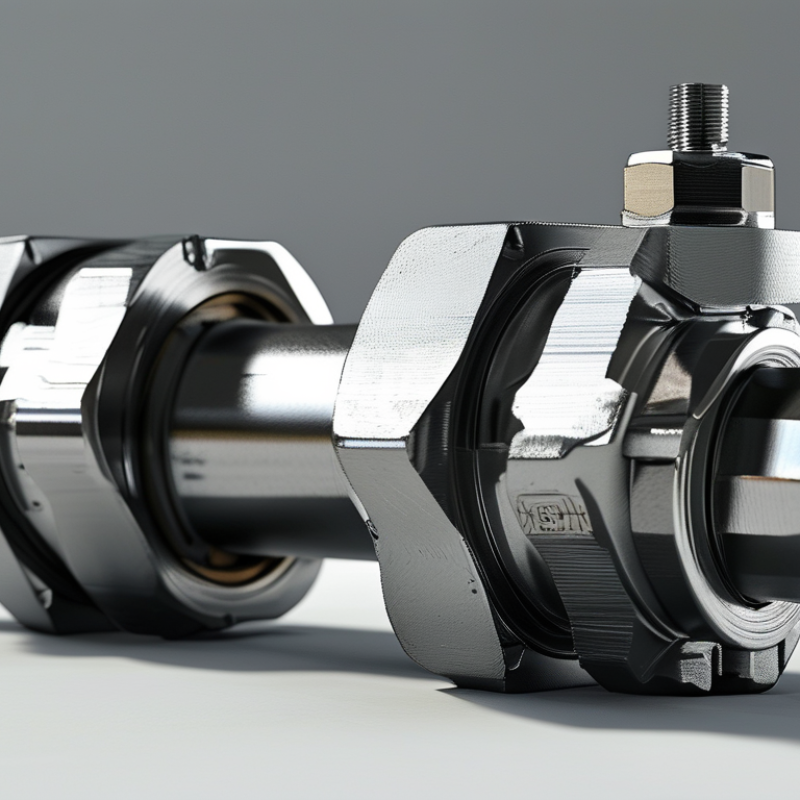
Double-locking hydraulic couplers enhance safety significantly in various industries, including construction and manufacturing. The dual-lock mechanism ensures that couplers remain securely attached under high pressure, minimizing the risk of accidental disconnection. According to a report by the National Fluid Power Association, approximately 30% of hydraulic failures are attributed to coupler disconnections. This highlights the critical nature of using reliable hydraulic components.
The double-locking system is designed to withstand extreme conditions. By providing two points of security, the couplers reduce the likelihood of leaks and pressure loss. Studies show that using advanced couplers can lower maintenance costs by up to 25%. While many operators may overlook these benefits, investing in reliable couplers can lead to long-term savings and increased productivity.
Tips for ensuring optimal performance include regular inspections. Look for signs of wear or damage, as even minor issues can lead to system failures. It’s also essential to train operators on the importance of proper installation and maintenance. These steps contribute not only to operational efficiency but also to safer workplace environments, reducing potential hazards associated with hydraulic systems.
Double-locking hydraulic couplers offer significant advantages, particularly in fluid containment. Improved design features minimize leakage risks, making operations safer. Traditional couplers often experience wear and tear, leading to leaks. In contrast, double-locking mechanisms securely connect two components, reducing potential failures. This durability can save costs on repairs and fluid losses.
Proper maintenance is crucial for reliability. Inspect couplers regularly for wear. Ensure all fittings are tight and in good condition. Regular checks can prevent minor issues from escalating.
Fluid containment is vital in industries where spills pose environmental risks. The stringent sealing properties of double-locking couplers mitigate these concerns. This enhanced protection fosters compliance with regulations, preventing costly fines.
Consider the environment where couplers are used. Heavy machinery and adverse conditions can lead to unexpected failures. Adjust maintenance schedules based on operational demands. Ultimately, investing in quality couplers and a rigorous maintenance routine is essential for optimal performance.
Double-locking hydraulic couplers are engineered to enhance durability and resist environmental stressors.
These couplers boast robust designs that withstand extreme conditions. Whether exposed to harsh weather, dust, or corrosive substances, they perform consistently.
This resilience is crucial for industries that depend on reliable machinery in demanding environments.
Integrating advanced materials in their production, double-locking couplers resist wear and tear.
They can endure temperature fluctuations and mechanical shocks better than standard couplers. Users sometimes overlook proper maintenance, which can impact performance.
Regular checks help ensure that these couplers function optimally and extend their lifespan.
Furthermore, double-locking mechanisms provide added security. This feature minimizes the risk of disconnection under pressure.
While the technology is advanced, it’s still essential for operators to understand proper usage.
Misapplication can lead to complications, even with superior designs. Ultimately, a focus on careful handling and maintenance can greatly enhance the advantages of these couplers.
Double-locking hydraulic couplers offer significant benefits in connection and disconnection processes. These devices enhance user efficiency by minimizing downtime. Studies have shown that streamlined coupling mechanisms can reduce connection time by up to 50%. This efficiency is crucial for industries where time translates directly to cost savings. Users also appreciate the intuitive design, which allows for quick coupling without extensive training.
Workers often face challenges with traditional couplers. Incorrect connection can lead to leaks or equipment failure. According to the Hydraulic Institute, improper connections are responsible for approximately 30% of all hydraulic system failures. Double-locking features mitigate these risks by providing secure connections that maintain pressure even in demanding conditions. The added layers of safety address user concerns, making it easier to operate machinery with confidence.
However, not all double-locking systems function flawlessly. In some cases, users report difficulties with alignment during disconnection due to the locking mechanisms. There can be a learning curve as users adapt to these connections. Monitoring feedback from operators is critical for ongoing improvements. Continuous evaluation of user experiences will refine the design and usability of double-locking hydraulic couplers.
| Advantage | Description |
|---|---|
| Enhanced Safety | Double-locking mechanism reduces the risk of accidental disconnection. |
| Reliable Performance | Offers stable and consistent hydraulic flow under high pressure. |
| Simplified Connection | Easier to connect and disconnect even in tight spaces. |
| Durability | Constructed from high-quality materials for prolonged use. |
| Versatility | Compatible with a wide range of hydraulic systems and equipment. |
| Reduced Downtime | Quick connect and disconnect reduces equipment downtime. |
| Cost-Effective | Minimizes maintenance costs due to reduced wear and tear. |
| Improved Efficiency | Enhances overall system efficiency with optimal fluid dynamics. |
| User-Friendly Design | Designed for ease of use, even for non-technical personnel. |
| Leak Prevention | Reduced risk of leaking fluids during connection and operation. |
Double-locking hydraulic couplers are gaining attention for their cost-effectiveness and reliability. Studies show that equipment downtime significantly increases maintenance costs. According to a recent industry report, unplanned downtime can cost companies up to $1.5 million annually. This underlines the importance of having reliable couplers that minimize such risks.
The long-term reliability of double-locking hydraulic couplers reduces both repair and replacement needs. Users report a 30% reduction in maintenance frequency when using these couplers. Their design allows for quick connection and disconnection, saving time in operations. This leads to less wear on other equipment components, which can be costly to replace. Investing in high-quality couplers translates into fewer interruptions and improved productivity.
One must, however, consider the initial investment. Quality couplers may cost more upfront. Yet, they often lead to lower total cost of ownership over time. A survey indicated that 70% of users found that long-term savings outweighed initial costs. This is a critical factor for businesses aiming for sustainable operations. Ultimately, the choice of hydraulic couplers should align with strategic, long-term maintenance goals.
: They enhance safety by minimizing accidental disconnections under high pressure.
They lower maintenance costs by up to 25% and reduce equipment downtime.
Approximately 30% of hydraulic failures result from coupler disconnections, posing significant safety risks.
Minor wear or damage can lead to system failures and increase safety hazards.
Training operators on proper installation is essential for ensuring safety and efficiency.
The initial investment may be higher, but savings often outweigh the upfront costs.
Users report a 30% reduction in maintenance frequency with double-locking couplers.
Long-term reliability and maintenance costs should align with strategic operational goals.
Yes, fewer interruptions and faster connection times increase overall operational efficiency.
Some users might overlook their benefits, risking long-term safety and efficiency.
The "Double-Locking Hydraulic Coupler" offers significant advantages that enhance operational safety and efficiency in hydraulic systems. One of the primary benefits is its enhanced safety feature, which minimizes the risk of accidental disconnection during high-pressure operations. This coupler also excels in fluid containment, effectively reducing leakage risks that could lead to costly downtime or environmental hazards.
Additionally, the durability of the Double-Locking Hydraulic Coupler makes it highly resistant to various environmental stressors, increasing its lifespan and reliability. The design facilitates simplified connection and disconnection processes, allowing for quicker, more efficient operation. Overall, the cost-effectiveness of this coupler is evident through its long-term reliability and reduced maintenance requirements, making it an ideal choice for numerous applications in the hydraulic industry.
