
Huida
A Hydraulic Eagle Beak Shear is designed to grip and cut bulky scrap, including mixed metal pieces that can be awkward to handle. Its curved jaws help draw material into the cutting area, while hydraulic force performs the shearing action. Performance still depends on the material, machine setup, and operating conditions. Small details matter.
Choosing among manufacturers takes more than comparing advertised cutting force. Buyers should review jaw dimensions, blade material, cycle time, power requirements, and compatibility with the host machine. Ask for technical drawings, operating guidance, and clear maintenance recommendations. These details can reveal whether a shear suits a specific yard or processing line. A high capacity claim alone is not enough.
This guide introduces leading Hydraulic Eagle Beak Shear manufacturers and the factors that can distinguish their equipment. It considers product range, customization, build quality, service support, and the availability of replacement parts. Where possible, confirm specifications with the manufacturer and compare them with your actual materials and workflow. Catalog figures do not tell the whole story. Real operating needs can differ, and a model that performs well in one setting may be a poor fit elsewhere. That is worth questioning before a purchase.
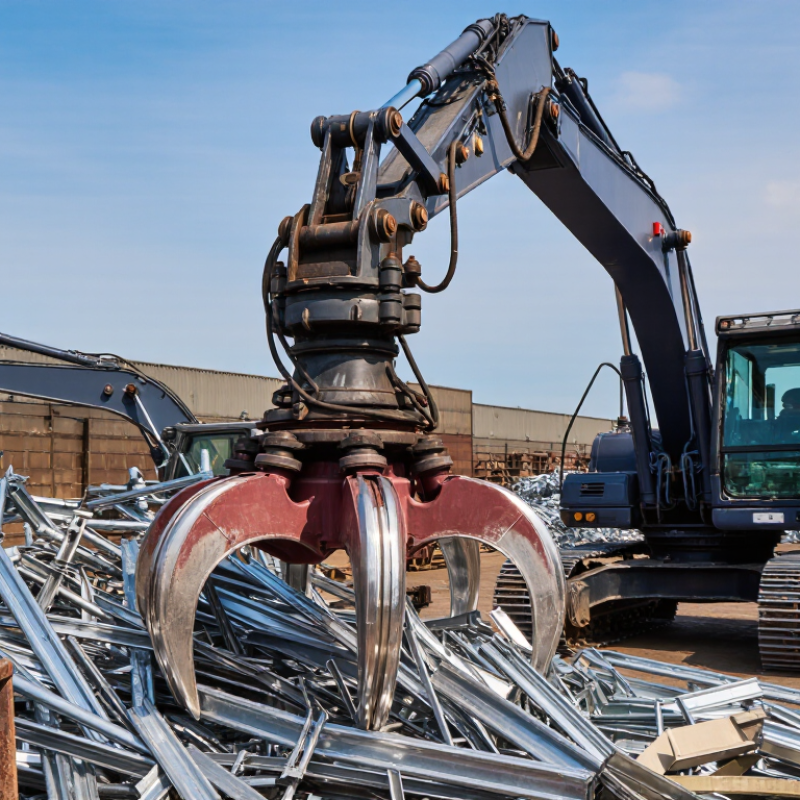
Hydraulic eagle beak shears use a tapered, curved jaw to grip and cut bulky metal scrap. A hydraulic pump sends pressurized oil to a cylinder, which drives the moving blade against a fixed blade. The narrow “beak” helps the operator reach irregular bundles and position material before cutting. Cutting force depends on cylinder pressure, blade geometry, material strength, and blade clearance. Small gap, big effect. Excessive clearance can deform the cut; too little can increase wear. In practice, setup is not always as tidy as diagrams suggest.
The U.S. Bureau of Labor Statistics reported a 2.8 rate of nonfatal injury and illness cases per 100 full-time-equivalent workers in manufacturing in 2023. This is an industry-wide figure, not a shear-specific risk rate, but it reinforces the need for controlled operating procedures. Keep hands and loose tools outside the jaw area, inspect hoses for leaks, and follow the machine maker’s rated material limits. Never judge capacity by jaw size alone.
Tips: Check blade edges and clearance at the start of each shift. Feed one piece at a time, and stop if the jaw twists or the material slips. Record pressure, material type, and cut quality; these notes help spot gradual performance changes.
Hydraulic eagle beak shears rely on a curved upper jaw and a rigid lower blade to grip irregular scrap before cutting. The jaw profile helps pull tangled pieces toward the cutting zone, while a replaceable blade edge can simplify wear maintenance. A well-sized hydraulic cylinder delivers force through the pivot pins; those pins and their bushings need regular inspection. Small amounts of looseness can change alignment. Not dramatic, but important.
Core design choices should match the material, not just the machine’s advertised cutting force. Operators should check jaw opening, blade clearance, cylinder pressure, and the stated capacity for the specific scrap type. Relief valves help protect the hydraulic circuit when resistance rises, though they cannot compensate for poor material positioning. The U.S. Environmental Protection Agency’s Advancing Sustainable Materials Management report recorded 292.4 million tons of municipal solid waste generated in 2018, with 69 million tons recycled. That report concerns municipal waste, not industrial shear performance, but it underscores the scale of material recovery. In practice, consistent feeding and routine checks often matter as much as headline force. One awkward point: maintenance intervals still depend heavily on contamination and operator habits.
Hydraulic eagle beak shear manufacturers tend to specialize in different machine sizes, materials, and work conditions. Some focus on compact attachments for sorting and cutting scrap in crowded yards. Others build heavier shears for excavators handling thick plate, structural steel, or bulky demolition debris. The beak-shaped jaws help grip irregular pieces before the blades cut. A narrow jaw can reach between tangled sections, while reinforced pivots and replaceable blades help manage repeated impact. Small details matter.
When comparing manufacturers, buyers should look beyond maximum cutting force. Ask how the shear performs across the material thicknesses you actually process, and whether the carrier’s hydraulic flow matches the tool’s requirements. Reliable makers provide clear specifications for weight, operating pressure, blade maintenance, and compatible excavator classes. Some offer rotation systems for positioning the jaws; others prioritize simpler, fixed designs with fewer service points. In the field, quick blade access can save more time than an impressive brochure figure. Still, specifications do not tell the whole story. Test cuts may reveal uneven wear or awkward handling, and that is worth admitting before purchase. A useful supplier explains those trade-offs plainly.
Hydraulic eagle beak shears are commonly used to process metal scrap, including steel, stainless steel, aluminum, and copper. The chart compares the approximate densities of these materials—a useful reference for understanding the variety of scrap handled, not a measure of shear capacity.
Approximate densities are shown in grams per cubic centimeter. Actual values vary by alloy and composition.
Eagle beak shears serve scrap processors, demolition contractors, metal service centers, and foundries. Their jaws grip and cut bulky feedstock, including structural steel, plate, pipe, and mixed ferrous scrap. They can also process selected nonferrous loads, such as aluminum sections, when the machine is configured for the material. Tough, tangled loads need careful sorting; one shear cannot handle every scrap stream equally well.
The scale is substantial. World Steel Association’s World Steel in Figures 2024 reports 1,888.2 million tonnes of crude steel production worldwide in 2023. The U.S. Environmental Protection Agency estimated 600 million tons of construction and demolition debris in 2018, including concrete, wood, and metals. These figures describe material flows, not shear sales or cutting capacity. That distinction matters. Tonnage alone is a blunt guide.
In yards, operators commonly cut beams, rebar bundles, and vehicle bodies into sizes suitable for handling and transport. Demolition sites may need a mobile unit; fixed recycling lines often prioritize steady throughput and controlled feed. Blade condition, jaw opening, hydraulic force, and material thickness all affect cut quality. Stainless steel and hardened components can demand more attention than mild steel. A practical selection starts with the actual feedstock, not a brochure rating. Real loads are rarely uniform.
When evaluating a hydraulic eagle beak shear manufacturer, look beyond cutting force and catalog claims. Ask how the machine handles your actual scrap, including its thickness, shape, and feed rate. A practical trial cut can reveal uneven bites, material slippage, or slow recovery between cycles. Check blade access, gap adjustment, hydraulic hose routing, and whether routine service points are easy to reach. Request clear specifications and maintenance guidance, not just a quoted capacity.
Tips: Bring representative scrap for testing. Record cycle time, cut consistency, and any oil leaks. Ask who supplies replacement blades and how quickly service support responds.
Compare manufacturers on build quality, safety features, documentation, and after-sales support. Review the frame and pivot areas for robust construction, and ask how the machine is inspected before delivery. Confirm that guards and emergency stops suit your operating setup. A polished demonstration is useful, but it may not reflect a full shift with irregular feedstock. Even a careful test can miss wear that appears later; ask what inspection schedule the manufacturer recommends. If answers are vague, pause and seek details. The lowest price may still be the wrong fit.
A hydraulic pump sends pressurized oil to a cylinder. The cylinder drives a moving blade against a fixed blade. The curved, narrow jaw grips and positions bulky scrap. Small gap, big effect.
Cylinder pressure, blade shape, material strength, and blade clearance all matter. Too much clearance can deform cuts. Too little may increase wear. Real setups can be less tidy than diagrams suggest.
Common materials include structural steel, plate, pipe, rebar bundles, and mixed ferrous scrap. Selected aluminum sections may also be suitable. Stainless steel and hardened parts can need more attention.
No. Material thickness and condition vary, and tangled loads need careful sorting. Real loads are rarely uniform. A shear that works well on mild steel may struggle with other materials.
Check performance across the thicknesses you actually process. Confirm that the carrier’s hydraulic flow matches the shear’s requirements. Also compare weight, operating pressure, blade access, and compatible excavator classes.
Test cuts can reveal uneven blade wear or awkward handling. Maximum cutting force alone does not show how a shear behaves with real feedstock. That difference is easy to overlook.
Inspect blade edges and clearance at the start of each shift. Check hoses for leaks. Keep hands and loose tools outside the jaw area, and follow rated material limits.
Stop the operation and reassess the material and setup. Feed one piece at a time. Record pressure, material type, and cut quality; those notes may reveal gradual changes.
Hydraulic Eagle Beak Shears are hydraulic cutting machines designed to handle bulky, irregular, or tough materials with a powerful beak-shaped blade. Their operating systems use hydraulic force to drive the cutting action, while features such as reinforced frames, replaceable blades, adjustable settings, and safety controls support dependable performance. Different manufacturers may specialize in varying capacities, machine configurations, automation options, and maintenance support, so comparing product capabilities is essential.
These shears serve industries that process materials such as scrap metal, cables, pipes, and other dense or awkwardly shaped stock. Selecting a suitable manufacturer involves assessing cutting capacity, material compatibility, build quality, operating efficiency, safety provisions, service availability, and total ownership costs. A careful evaluation helps ensure that the equipment fits the intended workload and facility requirements while providing reliable operation over time.
