
Huida
In the realm of construction, efficiency is paramount. One tool that has gained prominence is the Hydraulic Rock Breaker. This equipment transforms the way heavy-duty tasks are approached. Utilizing hydraulic power, it offers improved performance and versatility on various job sites.
Hydraulic Rock Breakers are designed to tackle tough materials. They can break through concrete and rocky surfaces effortlessly. This capability not only speeds up the work but also enhances precision. However, like any equipment, they require skillful operation. Misuse can lead to inefficiencies and potential damage.
Choosing the right Hydraulic Rock Breaker is crucial. It involves considering factors such as size, power, and application. A well-chosen breaker can make a significant difference in productivity. Yet, selecting one without proper knowledge can be a costly mistake. Therefore, understanding the nuances of these tools is essential for achieving optimal results.
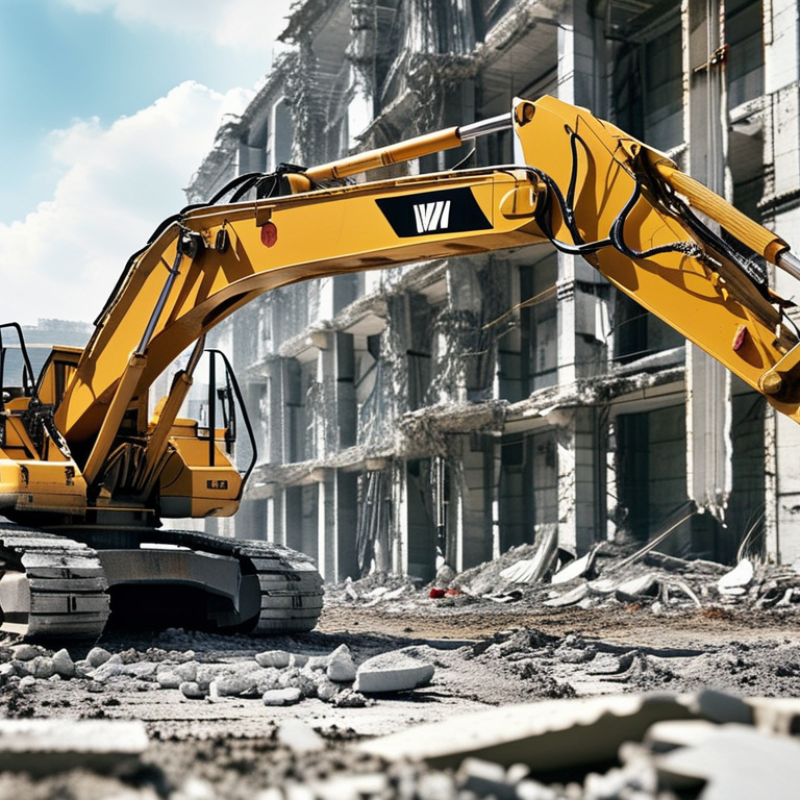
Hydraulic rock breakers have become essential tools in modern construction. These powerful machines facilitate the demolition of concrete, rock, and asphalt, making them crucial for large-scale projects. Construction teams rely on hydraulic breakers to enhance efficiency and reduce manual labor. Their effectiveness ensures tasks are completed faster, allowing for timely project completion.
When selecting a hydraulic rock breaker, consider factors like operational weight and hydraulic flow. These elements influence the breaker’s performance. It’s vital to match the breaker with the skid steer or excavator for optimal results. Sometimes, larger projects may require multiple units operating together.
Tips: Always inspect the equipment before use. A thorough check can prevent workplace accidents. Additionally, ensure operators are adequately trained. This reduces risks and improves productivity. Hydraulics can be complex; familiarity leads to better efficiency. Remember, even the best equipment needs regular maintenance to function optimally. Investing time in upkeep pays off in performance and longevity.
When selecting a hydraulic rock breaker, it's important to look at various key features. One major aspect is the tool’s size and weight. A lighter model may be easier to handle, but larger ones offer more power. Balance between mobility and strength is crucial.
Another feature to consider is the energy class of the breaker. Higher energy classes typically yield better rock fragmentation. However, this may come with increased operating costs. Understanding your project’s demands will help you make the right choice.
Durability is also vital. Look for models built with high-quality materials. This can prevent frequent replacements and ensure reliability over time. While some breakaway models may seem appealing, they could lead to more maintenance issues. Assess long-term costs rather than just initial price.
When it comes to hydraulic rock breakers, various brands and models dominate the market. Each offers distinct features and capabilities that cater to different construction needs. Many models are renowned for their durability and high performance. They efficiently handle tough jobs, like breaking concrete and rock. The range of attachments provides flexibility for various tasks.
Some users report challenges with weight and maneuverability. Heavier units may be powerful but can be cumbersome. Selecting the right model often depends on the specific application and jobsite conditions. A well-balanced tool allows for easier handling without compromising force. Some models have an adjustable frequency, adapting to different materials effectively.
Maintenance is another critical consideration. A top-quality hydraulic rock breaker requires regular checks and servicing for optimal performance. Ignoring routine maintenance may lead to unexpected failures during critical tasks. The market offers models with varying maintenance needs. Choosing one that aligns with operational capabilities is essential. Prospective buyers should weigh the advantages and potential drawbacks carefully.
Operating hydraulic rock breakers requires careful attention to safety. Before starting work, operators must wear appropriate personal protective equipment. This includes safety goggles, hard hats, and hearing protection. A job site inspection should occur before operation begins. Identifying potential hazards helps in preventing accidents.
Understanding the equipment is essential. Operators should be trained in using hydraulic rock breakers. Misuse can lead to injuries or equipment damage. Regular maintenance checks ensure that the breakers function properly. Greasing the moving parts and checking for wear can prevent unexpected malfunctions.
Communication on the site is crucial. Ensure everyone understands the operation procedures. Clear signals can help work proceed safely. Establishing boundaries helps keep bystanders at a safe distance. Sometimes, despite all precautions, accidents happen. It's important to reflect on these experiences. Learning from mistakes can improve safety in future operations.
Hydraulic rock breakers are essential tools in construction, but they require proper maintenance to ensure longevity. Regular care can significantly extend their operational life. Data from industry reports indicate that routine maintenance can boost productivity by up to 35%. With this in mind, here are some crucial maintenance tips.
Daily inspections are vital. Check for wear on chisels and seals. A worn chisel affects efficiency and increases operational costs. Oil levels should also be monitored regularly. Insufficient lubrication can lead to overheating and damage. Additionally, keeping the machinery clean from dust and debris helps maintain performance.
Invest in quality tools for maintenance tasks. Using appropriate tools prevents accidental damage. Training operators on proper handling techniques reduces wear. It is essential to remember that even small neglect can result in significant long-term costs. A well-maintained hydraulic rock breaker runs smoother and is safer for the operators. By adhering to these maintenance practices, you can ensure your equipment performs optimally for years to come.
: They are used for demolishing concrete, rock, and asphalt in construction projects.
Maintenance is crucial for extending their lifespan and ensuring optimal performance.
Consider operational weight and hydraulic flow to match equipment needs.
It helps identify wear and potential issues that can affect efficiency and safety.
It can lead to overheating, damage, and increased operational costs.
Operators should be trained on handling techniques and equipment upkeep.
Routine care can boost productivity by up to 35%.
Invest in quality tools to prevent accidental damage during maintenance tasks.
Small neglect can lead to significant long-term costs and decreased performance.
Keeping machinery clean from dust helps maintain performance and prevent issues.
The article provides a comprehensive overview of Hydraulic Rock Breakers, emphasizing their critical role in construction projects. It outlines the key features to consider when selecting a hydraulic rock breaker, such as power, weight, and compatibility with existing machinery. Additionally, the article discusses the top brands and models available in the market, giving readers insight into various options.
Moreover, the article highlights essential safety guidelines for operating hydraulic rock breakers to ensure effective use and prevent accidents. Lastly, it offers maintenance tips that can help extend the lifespan of these valuable tools, ensuring they operate efficiently throughout their service life. Understanding these aspects is crucial for anyone looking to utilize hydraulic rock breakers effectively in construction.
