Huida
Choosing the right Hydraulic Metal Shear can significantly impact efficiency and productivity. Industry expert David Smith states, “A well-chosen shear can transform metalworking processes.” His insight underlines the importance of selection in this field.
When evaluating Hydraulic Metal Shears, several aspects come into play. Consider the shear's capacity and cutting thickness. Each project demands different specifications. Features like blade design and cutting speed matter too. They can dictate the quality of the final product.
Potential buyers often overlook maintenance needs. A machine that requires extensive servicing may not be ideal for all businesses. Reflecting on the long-term investment is crucial. In this competitive market, understanding your specific requirements is vital for making the best choice.
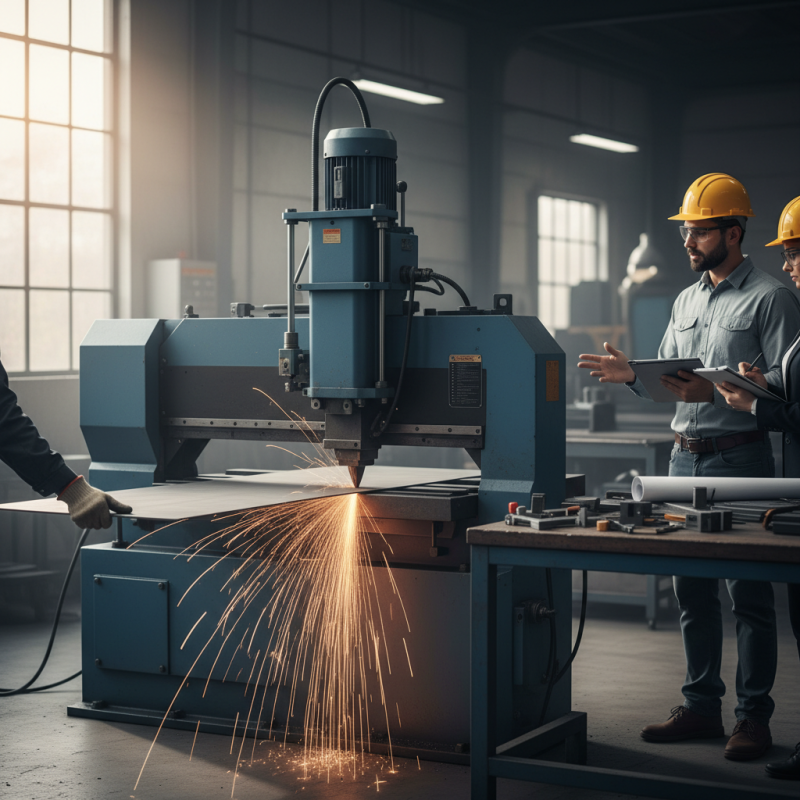
Hydraulic metal shears are essential in many industries. They provide precise cutting of metal sheets, ensuring efficiency and accuracy. According to a report by Research and Markets, the hydraulic shearing machine market is expected to grow with a CAGR of over 5% from 2021 to 2026. This growth reflects their importance in manufacturing processes.
Understanding the application of hydraulic metal shears is crucial. They are widely used in automotive, aerospace, and construction sectors. The ability to cut through various metal thicknesses adds versatility. However, there are potential challenges. Operators may face issues like blade wear and maintenance concerns. Regular inspections are necessary but often overlooked.
Choosing the right hydraulic shear means considering factors like cutting capacity and operational speed. Data shows that mismatched equipment can lead to increased downtime and costs. It's critical to assess the long-term needs of your operation. Customizing shear options can enhance productivity but may require additional investment. Be cautious of overspending on features that won’t be utilized.
Choosing the right hydraulic metal shear is crucial for optimizing cutting performance. Begin by evaluating the shear's cutting capacity. Look at the maximum thickness and material type it can handle. Understanding these specifications will help you select a shear that meets your production needs. The wrong choice may lead to inefficient operations or frequent equipment failures.
Next, consider the shear’s speed and stroke length. Faster cutting cycles can improve productivity, but they may also lead to inaccuracies. Strike a balance between speed and precision. Additionally, examine the machine's safety features. Robust safety mechanisms not only protect operators but also prolong the machine's lifespan. Be wary of models that appear overly complicated; simplicity often leads to more reliable operation.
Finally, assess the available support and service options. Reliable manufacturers will offer strong customer support and accessible parts. Consider the company's reputation in the industry. A well-regarded brand often reflects their product quality and reliability. In the end, reflect on your specific requirements and compare various models. Your decision should align with your operational goals and workforce capabilities.
When evaluating shear capacity and material compatibility for a hydraulic metal shear, it’s essential to consider the metal thickness and type. Different materials have unique properties that affect their ease of cutting. For instance, softer metals like aluminum often require different settings than harder metals like steel. Knowing the specifics of the materials you will work with can prevent unexpected breakdowns.
Tip: Assess your operational needs before finalizing a shear model. Identify the most frequently processed materials and choose a shear that excels in those areas. This attention to detail can save you time and money in the long run.
Another key factor is the shear’s capacity. Every shear has a maximum thickness it can handle efficiently. Overshooting this capacity can lead to poor cuts or damage. It's a common oversight that can lead to frustrating outcomes.
Tip: Always leave room for adjustments in capacity. A machine slightly above your needs can adapt as projects vary. This flexibility could enhance your workflow, allowing for a broader range of applications. Understanding these elements can create a more efficient metalworking environment.
When selecting a hydraulic metal shear, assessing safety features is crucial. These machines can pose significant risks if not designed with safety in mind. Look for features like emergency stop buttons and safety guards. These elements help prevent accidents during operation. Operators should feel secure when using the machine. Safety mechanisms that are easy to access can make a significant difference.
Operational control options directly impact user safety and efficiency. Consider how intuitive the controls are. Simple, clear controls minimize mistakes. Multi-function capabilities can also enhance safety by providing various cutting options without needing to change machines frequently. Check if the machine has adjustable settings for different materials. This flexibility can lead to improved safety by allowing precision in every cut. Reflecting on these operational aspects can prevent future challenges and increase productivity on the shop floor.
When selecting a hydraulic metal shear, understanding the manufacturer’s reliability is crucial. A recent survey indicated that around 70% of industry professionals prioritize brand reputation when purchasing equipment. High-quality shears often come from established manufacturers known for their rigorous testing and materials. Reviewing customer feedback can provide insights into a manufacturer’s performance.
Warranties play a significant role in ensuring quality assurance. According to industry reports, shears with extended warranties indicate a manufacturer’s confidence in their product. A warranty typically ranges from one to five years, covering parts and labor. Manufacturers that offer robust warranty options often maintain high standards in their production processes. This commitment to quality can alleviate concerns about potential failures.
Furthermore, continuous improvement in production techniques influences long-term reliability. A recent study showed that 60% of mechanical failures are due to inadequate maintenance or design flaws. Choosing a shear from a manufacturer that emphasizes innovation and customer service can minimize these risks. Paying close attention to warranty details and customer support can lead to better investment outcomes in the long run.
: Hydraulic metal shears are primarily used for cutting metal sheets in various industries. They ensure efficiency and accuracy.
The cutting capacity determines the maximum thickness and material type the shear can handle. Choosing incorrectly may cause issues.
Faster speeds can boost productivity but may also decrease accuracy. Finding a balance is key for effective cutting.
Blade wear and maintenance are common challenges. Regular inspections are crucial but often neglected by operators.
Strong safety features protect operators and enhance machine longevity. Simpler designs often lead to more reliable operation.
The wrong hydraulic shear can lead to inefficiencies and increased downtime. It’s essential to assess your operational needs.
Customizing shear options can improve productivity. However, overspending on unnecessary features should be avoided. Reflect on what you need.
Assess the customer support and available parts from the manufacturer. Reputation in the industry reflects their product reliability.
Operators may deal with unexpected maintenance issues and equipment failures. Awareness and preparation are important to mitigate these risks.
Each model may offer varied features and capabilities. Comparing them helps ensure the best fit for your workforce and goals.
When choosing the right Hydraulic Metal Shear for your needs, it is essential to understand their various applications and how they can enhance your metalworking processes. Key factors to consider include the shear capacity, which should match your specific material types and thicknesses, ensuring efficiency and precision in cuts. Additionally, evaluating the machine's safety features and operational control options is crucial for maintaining a safe working environment.
Furthermore, comparing different manufacturers and reviewing their warranties can provide insight into product quality and reliability. A thorough assessment of these elements will not only help in selecting the most suitable Hydraulic Metal Shear but also contribute to optimal performance and longevity of the equipment in your operations.
