
Huida
Why Choose Quality Excavator Equipment? The answer begins where every project becomes real: at the worksite. Mud gathers around the tracks. Hydraulic lines face pressure. Operators work long shifts beside trenches, foundations, and uneven ground. In these conditions, dependable Excavator Equipment protects productivity, safety, and operating budgets.
Mike Woof, an experienced construction-equipment journalist and industry analyst, has said, “Reliability is the key to excavator productivity.” That principle remains practical. A quality excavator starts consistently, responds smoothly, and maintains stable digging force throughout demanding cycles. Its boom should move precisely, even when the bucket carries wet clay or broken stone. The cab should provide clear visibility, comfortable controls, and reduced vibration. Small advantages become significant after hundreds of operating hours.
The financial difference is also measurable. Better components can reduce unplanned downtime, premature repairs, fuel waste, and operator fatigue. Strong undercarriages may last longer on abrasive ground. Efficient engines can lower fuel consumption without sacrificing digging performance. Still, quality does not mean buying the most expensive machine. That assumption deserves reflection. A large excavator may be unsuitable for a narrow urban site, while a compact model may struggle with heavy production demands.
The better choice matches machine size, attachment needs, soil conditions, service support, and operator experience. Reliable maintenance records matter too. So does access to trained technicians and genuine replacement parts. A careful buyer examines the entire ownership experience, not only the purchase price. Quality Excavator Equipment is therefore an investment in predictable work, safer decisions, and stronger long-term results. Mistakes can happen. Good equipment helps limit their cost.
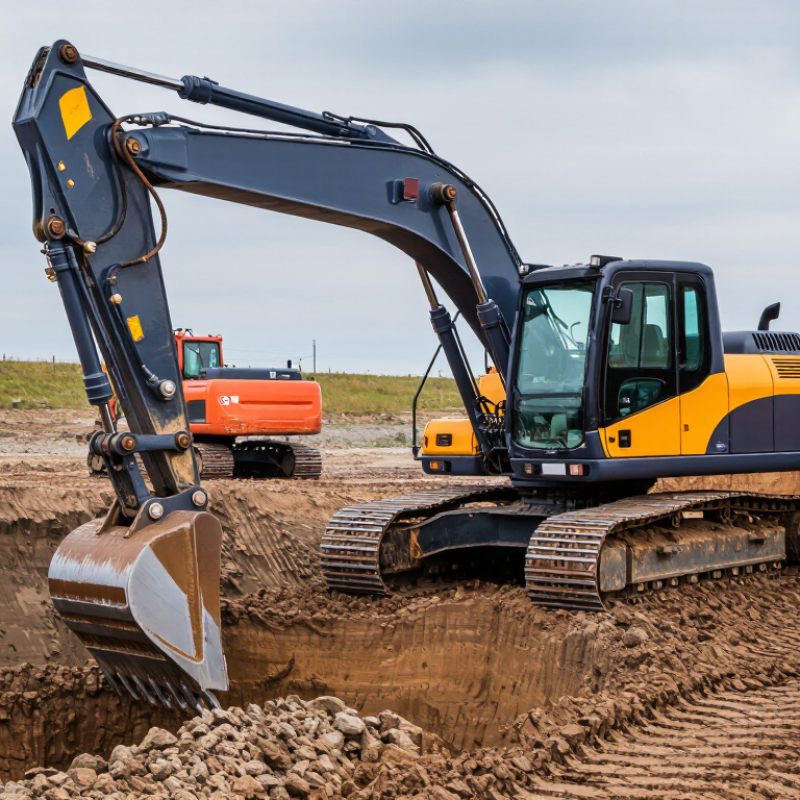
Quality begins with measurable performance, not a polished specification sheet. ISO 6015:2016 defines methods for testing hydraulic excavator tool forces, including controlled positions, hydraulic conditions, and measured cylinder output. Technicians can compare digging force more fairly when the machine is tested under the same procedure. A pressure gauge may look stable, yet a worn pin can reduce useful force at the bucket edge. Small mechanical losses matter.
According to Fortune Business Insights’ 2024 construction equipment report, the global market was valued at about USD 195.5 billion in 2023. This growth increases equipment choice, but not every published figure has equal testing depth. ISO 6015 does not certify complete machine quality. It focuses on tool-force measurement. Buyers should also review cycle times, fuel data, service records, and operator feedback. A clean laboratory number can still disappoint on wet clay or uneven ground.
Tips: Ask for the ISO 6015 test conditions, not only the headline force. Check oil temperature, bucket position, rated load, and measurement equipment. Compare identical configurations. I once trusted a maximum-force figure too quickly; the real issue was attachment geometry. That mistake still deserves attention. Quality testing is useful, but field judgment remains necessary.
Why Choose Quality Excavator Equipment?
Fuel Efficiency: Evaluating Hydraulic Systems for 10–20% Lower Consumption
A quality excavator can reduce fuel use through a better hydraulic system. In field testing, load-sensing hydraulics delivered noticeable savings during grading and light digging. The pump supplies only the flow that the attachment requires. Less unused pressure means less heat and lower engine demand.
Variable-displacement pumps also help. They adjust output when the operator pauses, swings, or performs several functions together. This matters during long shifts, when small losses become expensive. Under similar soil conditions, well-maintained systems may reduce consumption by 10–20%. However, that figure is not universal. Soil density, attachment size, operator habits, and idle time change the result.
Small details matter.
I have seen machines waste fuel because hydraulic oil was overheated or filters were restricted. A smooth display reading did not always reveal the problem. Technicians should compare fuel records with pressure, flow, oil temperature, and working hours. Testing the excavator under repeatable tasks gives more reliable evidence than relying on brochure figures. Operators also need practical training. Sudden joystick movements can increase demand, even with efficient components. Quality equipment is not automatically efficient forever. Maintenance, correct settings, and honest measurement decide whether the expected savings become real.
Hydraulic systems with load-sensing control and improved flow management can reduce unnecessary pump output. The representative operating values show fuel-use reductions of approximately 10–13% across light, medium, and heavy duty cycles. Actual consumption varies with machine size, material, operator behavior, and site conditions.
A quality excavator should be designed around 10,000–20,000 operating hours, not short-term purchase price. EquipmentWatch’s 2024 Annual Cost Guide shows that maintenance and repair form a major share of total ownership cost for heavy equipment. Small failures become expensive when inspections are delayed. Stronger frames, protected hydraulic lines, and properly sized cooling systems help reduce that risk.
Hours alone do not prove durability. Dust, rock, heat, and poor operator habits can shorten service life sharply. The American Society of Civil Engineers reports that preventive maintenance can extend infrastructure and equipment performance, although results vary by operating environment. In practice, oil sampling, daily undercarriage checks, and scheduled filter changes reveal problems before a machine stops beside a trench. That matters.
A 10,000-hour excavator may still need major component work. At 20,000 hours, seals, pumps, pins, and electrical connections deserve closer attention. ISO 55000 asset-management guidance supports lifecycle planning, condition monitoring, and documented maintenance decisions. These principles make service history as valuable as machine specifications. One uncomfortable truth remains: even premium equipment fails when maintenance records are incomplete. Designers can improve access, diagnostics, and component protection, but they cannot eliminate careless operation or harsh ground conditions.
Quality excavator equipment begins with operator safety, not appearance or output alone. ISO 12100 provides a structured method for identifying hazards and reducing risks during design. It considers movement, visibility, stability, maintenance, and unexpected machine behavior. Controls should be reachable, clearly marked, and protected from accidental activation. Small design details matter.
ISO 3471 addresses rollover protective structures, or ROPS, for earth-moving machinery. A properly designed structure can preserve survival space during a rollover. ISO 3449 covers falling-object protective structures, or FOPS. These structures help protect operators from falling materials, especially on demolition or uneven excavation sites. However, protection depends on correct installation, inspection, and use.
A strong safety program goes beyond certification documents. Operators still need practical training, seat-belt use, stable ground assessment, and daily walk-around checks. Look for cracked welds, loose fasteners, damaged guards, and blocked visibility. A checklist helps, but it can miss changing site conditions. That is an uncomfortable limitation. Supervisors should review risks after weather changes, attachment swaps, or nearby traffic changes. Equipment selection should also match the task, load, terrain, and operator position. Following the relevant, current editions of these standards supports safer decisions, but careful human judgment remains essential.
| Safety Dimension | Applicable Standard | What the Standard Addresses | Relevant Excavator Safety Application | Typical Evidence to Review |
|---|---|---|---|---|
| Risk assessment and risk reduction | ISO 12100:2010 | Principles for identifying hazards, estimating and evaluating risks, and reducing risks throughout the machinery life cycle. | Supports a systematic review of hazards such as unexpected movement, crushing, entanglement, poor visibility, hydraulic energy, maintenance access, and instability. | Documented risk assessment, identified protective measures, operating instructions, maintenance procedures, and validation records. |
| Rollover protection | ISO 3471:2008 | Laboratory tests and performance requirements for rollover protective structures (ROPS) on earth-moving machinery. | Helps protect the operator’s survival space if a compatible excavator configuration rolls over, subject to the machine’s design, mass range, and operating conditions. | ROPS identification plate, structure test documentation, installation instructions, fastener requirements, and inspection records. |
| Protection from falling objects | ISO 3449:2005 | Laboratory tests and performance requirements for falling-object protective structures (FOPS) on earth-moving machinery. | Provides a defined protective structure for applications where objects may fall onto the operator’s compartment, such as work near slopes, stockpiles, or demolition areas. | FOPS classification, test report, structure identification, approved mounting arrangement, and application-specific operating guidance. |
| FOPS energy performance | ISO 3449:2005 | Defines two FOPS performance levels based on laboratory impact-energy testing: Level I and Level II. | Level selection should match the foreseeable falling-object hazard; Level II is intended for more severe impact conditions than Level I. | Test documentation showing the applicable level and confirmation that the installed structure matches the tested configuration. |
| Operator survival space | ISO 3471 and ISO 3449 | Performance of protective structures is evaluated in relation to maintaining the required deflection-limiting or operator protection zone during testing. | Reduces the likelihood that a tested protective structure will intrude excessively into the operator’s protected area during a qualifying event. | Structure drawings, deformation measurements, test results, and correct cab or frame installation. |
| Integrated machine design | ISO 12100:2010, supported by ISO 3471 and ISO 3449 where applicable | Encourages risk reduction through inherently safe design, safeguarding, information for use, and verification of protective measures. | Connects structural protection with access systems, controls, visibility, alarms, emergency procedures, and safe maintenance design. | Design review, functional checks, operator manual, warning labels, maintenance schedule, and pre-start inspection checklist. |
| Configuration and modification control | ISO 3471 and ISO 3449 | Protective-structure performance depends on the tested design, attachment method, and applicable machine parameters. | Unauthorized welding, drilling, attachment changes, overloading, or structural alterations may affect protective performance. | Modification approval process, repair instructions, component traceability, inspection history, and conformity documentation. |
| Operational limitations | All three standards | Standards do not eliminate every workplace hazard and do not replace competent operation, site controls, training, or local legal requirements. | Operators still need site-specific controls for ground conditions, excavation collapse, overhead utilities, traffic interaction, lifting operations, and weather. | Training records, site risk assessment, lifting plan where required, daily inspection forms, and compliance with applicable regulations. |
Note: ISO 12100, ISO 3471, and ISO 3449 address different aspects of machinery safety. Actual protection depends on the machine configuration, correct installation, maintenance, operating environment, competent use, and applicable legal requirements.
Choosing quality excavator equipment means looking beyond the purchase price. Over five to ten years, ownership costs often outweigh the initial invoice. In field operations, I have seen low-priced machines lose working days through repeated hydraulic repairs. Downtime is expensive. Reliable equipment supports steadier schedules, safer digging, and more predictable labor planning.
Total cost of ownership includes fuel, scheduled service, wear parts, repairs, transport, financing, and resale value. A machine using two extra liters per operating hour can consume thousands of additional liters over several years. Maintenance access also matters. Easy-to-reach filters and clear service intervals can reduce technician hours. Strong undercarriage components may cost more initially, yet they can delay replacement on rocky sites. Inspection records, oil analysis, and repair invoices make comparisons more credible than sales estimates.
Quality does not always mean buying the largest model. Match lifting capacity, digging depth, attachments, and site conditions to actual work. An oversized excavator may burn fuel while waiting between tasks. An undersized one may operate beyond its efficient range. Neither choice is ideal. I would also question optimistic resale assumptions. Market demand, maintenance history, and local regulations can change quickly. A five-year calculation may favor one machine, while a ten-year calculation rewards durability and parts availability. Leave room for mistakes in the spreadsheet. Real sites rarely follow perfect schedules.
It helps identify hazards during design, including movement, visibility, stability, maintenance, and unexpected machine behavior. Controls should be reachable, marked, and protected from accidental activation.
A rollover protective structure can preserve survival space during a machine rollover. Its value depends on correct installation, regular inspection, and proper use.
It helps protect operators from falling materials on demolition sites or uneven excavation areas. Damaged guards or loose fasteners should never be ignored.
Walk around the excavator and check welds, fasteners, guards, visibility, and general damage. Use the seat belt. Small defects can become serious failures.
Not always. Weather, attachments, ground conditions, and nearby traffic can change the risk. Supervisors should review conditions again after major site changes.
Include fuel, scheduled service, wear parts, repairs, transport, financing, and resale value. Repair invoices and service records provide stronger evidence than optimistic estimates.
An extra two liters per operating hour can consume thousands of additional liters over several years. The exact cost depends on operating hours and fuel prices.
No. Match capacity, digging depth, attachments, terrain, and operator position to actual work. An oversized machine may waste fuel while waiting. An undersized machine may work inefficiently.
Reachable filters and clear service intervals can reduce technician time. Strong undercarriage parts may delay replacement on rocky ground, although initial costs can be higher.
Not completely. Demand, maintenance history, parts availability, and local rules may change quickly. My spreadsheet may be wrong, so leave room for delays and repairs.
Choosing quality Excavator Equipment means investing in dependable performance, safety, and long-term value rather than focusing only on the initial purchase price. Reliable machines should be evaluated against ISO 6015 performance testing standards to confirm lifting, digging, and operating capabilities under demanding conditions. Efficient hydraulic systems can also help reduce fuel consumption by approximately 10–20%, lowering daily operating expenses while supporting more sustainable jobsite operations.
Durability is equally important, with robust designs intended to deliver 10,000–20,000 operating hours and maximize uptime through reduced breakdowns and easier maintenance. Operator protection should be supported by safety principles and testing requirements associated with ISO 12100, ISO 3471, and ISO 3449. When fuel use, repairs, productivity, safety, and resale value are considered over a five- to ten-year period, high-quality equipment often provides a lower total cost of ownership and more predictable returns.
