
Huida
Choosing the right Scrap Procesing Equipment can reshape how a business handles metal, plastic, paper, and mixed recovery materials. A suitable system does more than reduce waste. It improves material flow, protects workers, lowers manual handling, and creates more consistent output for buyers.
Scrap yards face different challenges. One facility may need a powerful shredder for bulky steel. Another may require conveyors, magnetic separators, eddy-current systems, or a high-pressure baler. Moisture, contamination, material size, and daily volume all affect performance. Steve Wong, president of CP Group, has observed, “The right recycling system turns waste into a reliable resource.” That idea matters because equipment should support a practical business model, not simply look impressive in a showroom.
Reliable Scrap Procesing Equipment also supports measurable improvements. Operators can track throughput, energy use, downtime, recovery rates, and maintenance costs. A well-designed line may reduce bottlenecks near the loading area and keep finished bales uniform. Small details matter, including access doors, replacement parts, noise control, and dust collection. They are easy to overlook.
No machine fits every operation. That is the uncomfortable truth. A larger system may increase capacity but create unnecessary expense, training demands, or idle time. Businesses should test representative materials and request realistic performance data before purchasing. Vendor promises deserve careful review. Even the best technology can fail when maintenance is delayed or employees receive limited training. The strongest investment combines suitable equipment, experienced operators, dependable service, and a willingness to improve the process over time.
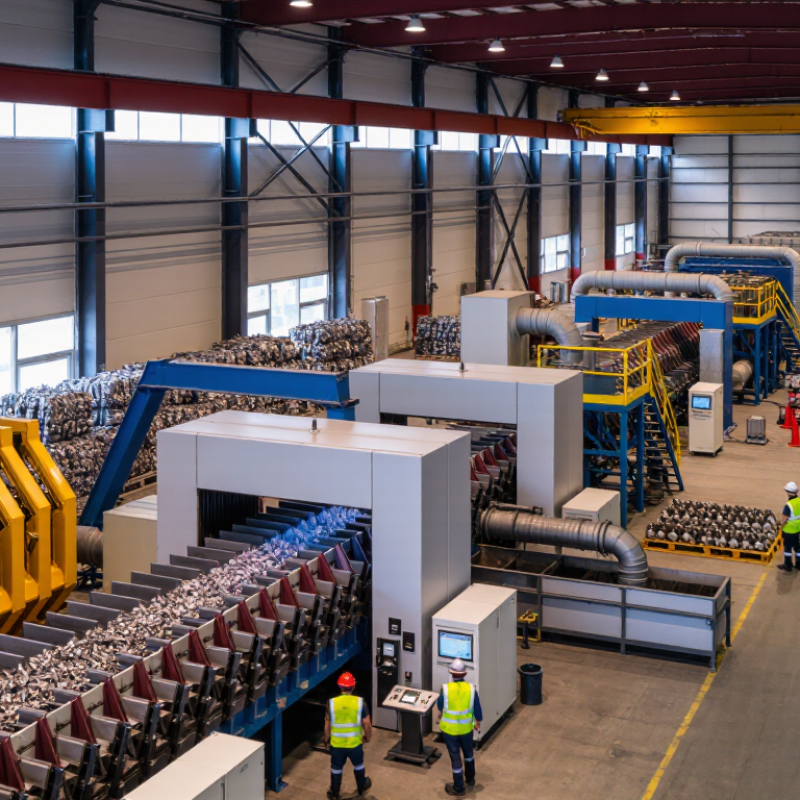
Scrap processing equipment prepares discarded metal, plastic, wood, and other materials for reuse or responsible disposal. It commonly includes shredders, crushers, balers, screens, conveyors, and magnetic separators. Each machine performs a specific task.
The process usually begins with sorting. Operators remove unsuitable items before feeding materials into a shredder or crusher. Rotating blades reduce large pieces into smaller, manageable sizes. Screens then separate materials by size, while magnets remove ferrous metals. Balers compress the processed material into dense, stable bundles. This saves storage space and simplifies transportation.
The system is practical. It can improve workplace organization, material recovery, and operating efficiency. However, results depend on correct equipment selection, regular maintenance, and trained operators. A poorly adjusted screen may produce uneven output. Excessive feeding can also cause blockages or unnecessary wear. These issues are easy to underestimate during planning.
Tips: Match the machine to the material, not only the expected volume. Check moisture, hardness, dimensions, and contamination levels first. Keep a simple maintenance log for blades, belts, bearings, and safety controls. Inspect processed material regularly, because clean-looking output can still contain unwanted pieces. Pilot testing is helpful, although it may reveal that the original equipment plan was too optimistic. Safety guards and emergency controls should remain accessible and functional at all times.
Material recovery rates show why efficient sorting, shredding, baling, and separation equipment is important: recyclable materials require different processing methods to be recovered effectively.
U.S. municipal solid waste recycling rates by material, 2018: Paper and paperboard achieved the highest recovery rate, while plastics had a lower rate, highlighting the value of specialized scrap processing equipment. Source: U.S. Environmental Protection Agency, Advancing Sustainable Materials Management: 2018 Fact Sheet.
Different scrap materials require different processing methods. Steel usually needs heavy-duty shears, balers, or shredders that tolerate high impact. Magnetic separation then removes ferrous metal from mixed streams. Aluminum and copper need gentler handling because dents and deformation can reduce resale value. An eddy-current separator can recover non-ferrous pieces efficiently.
Plastic scrap demands another approach. Rigid plastic often suits granulators with adjustable screens and controlled cutting speeds. Film and flexible packaging can wrap around rotors, so specialized cutters and steady feeding are important. Cable processing equipment can separate copper or aluminum conductors from insulation without damaging valuable metal. Clean input produces better output.
Wood, appliances, and mixed light scrap may require a staged system. Conveyors, pre-shredders, air separation, and sorting tables can work together. In a busy yard, moisture and dirt quickly change performance. Operators should test representative loads before purchasing equipment. Throughput figures alone can mislead. I have seen machines perform well during demonstrations but struggle with tangled material later. No setup is perfect. Regular knife checks, screen cleaning, and motor inspections protect consistency. A practical choice balances material type, contamination, available space, maintenance skills, and the quality buyers expect.
Scrap processing equipment improves efficiency by making irregular material easier to handle. Shears cut oversized steel into uniform pieces. Magnetic separators remove ferrous metals quickly. Balers compress loose material into stable, stackable bundles. This reduces manual lifting, floor congestion, and repeated handling. In a busy yard, even small delays can multiply across every truckload. Better flow matters.
The U.S. Environmental Protection Agency’s Recycling Economic Information Report estimates that recycling supported 681,000 jobs and generated 37.8 billion dollars in wages in the United States. This scale shows the sector’s operational importance. The American Iron and Steel Institute reports that recycling one ton of steel can conserve about 1.5 tons of iron ore and 0.5 tons of coal. Processing equipment helps businesses capture these benefits through cleaner separation and higher recovery rates. Accurate weighing also improves inventory control and customer documentation.
The numbers are not automatic. Equipment cannot repair poor sorting habits. Operators still need practical training, preventive maintenance, and realistic capacity planning. A conveyor running too fast may increase contamination. A baler with frequent stoppages can erase expected labor savings. The U.S. Environmental Protection Agency recommends measuring material inputs, outputs, and losses when evaluating recycling performance. Businesses should track downtime, recovery rates, energy use, and rejected loads before expanding. Start with the bottleneck. Check the result. Adjust the process.
Scrap processing equipment can turn loose metal, cable, and production offcuts into organized, saleable material. A baler or shredder reduces storage volume and handling time. This can lower transport costs because fewer truck journeys are needed. It may also improve workplace organization around loading areas.
The financial benefit depends on material quality, equipment capacity, and local market prices. Clean, separated scrap usually earns more than mixed loads. Accurate weighing records help managers compare income with electricity, labor, maintenance, and downtime. A practical review should include these costs. The business case is not automatic. Small facilities may need weeks of production data before choosing suitable equipment.
Environmental gains can be measurable. Processing scrap supports material recovery and reduces the need for newly extracted resources. Compact loads may create fewer transport emissions. Efficient sorting can also reduce contaminated waste sent for disposal. Still, machines consume power, and poorly maintained equipment can waste energy. Regular inspections, dust control, and safe operator training are essential. These details are sometimes underestimated. A responsible plan should check regional recycling requirements and document material flows. That evidence makes environmental claims more credible and helps identify weak points, such as excessive noise, high energy use, or low recovery rates.
Choosing scrap processing equipment starts with the material, not the catalog. Measure daily volume, moisture, contamination, particle size, and peak loads for at least two weeks. A small metal facility may need a shear, baler, conveyor, and dust-control system. An electronics recycler may require sorting and controlled separation stages. The Global E-waste Monitor 2024 reported 62 million tonnes of e-waste generated in 2022, but only 22.3% was formally collected and recycled. That gap makes reliable processing essential. Request throughput results under similar feed conditions, not impressive laboratory figures.
Installation should follow a practical site survey. Check floor strength, ceiling height, power supply, drainage, access routes, emergency stops, and operator visibility. Leave enough space for cleaning and replacing wear parts. A perfect installation rarely exists. I have seen equipment underperform because material flow was ignored during planning. Use a staged commissioning process, then record actual output, energy use, noise, and downtime. These records reveal whether the selected capacity was realistic.
Maintenance must be simple enough for daily use. Inspect belts, blades, bearings, guards, and hydraulic lines on a fixed schedule. Track vibration, motor temperature, amperage, and unusual noise before failures become expensive. Keep critical spare parts nearby, but avoid storing everything. Staff need documented lockout procedures and practical training. UNEP’s Global Resources Outlook 2024 projects global resource extraction could rise 60% by 2060. Efficient equipment matters, yet maintenance habits often decide its real environmental and financial performance. Recheck your assumptions every quarter.
It prepares discarded metal, plastic, wood, and other materials for reuse or responsible disposal. Each machine has a specific job. Common equipment includes shredders, crushers, screens, conveyors, balers, and magnetic separators.
Operators usually sort materials before processing. Shredders or crushers reduce large pieces into smaller sizes. Screens separate pieces by size. Magnets remove ferrous metals. Balers compress materials into dense bundles.
It reduces manual lifting, floor congestion, and repeated handling. Uniform pieces move more easily through the facility. Compressed bundles need less storage space. They also simplify loading and transportation. Small delays still add up.
Match the equipment to the material, not only the expected volume. Check moisture, hardness, dimensions, contamination, and peak loads. Request performance data under similar feed conditions. Laboratory results may look better than daily reality.
Inspect floor strength, ceiling height, power supply, drainage, and access routes. Confirm that emergency stops remain visible and reachable. Leave space for cleaning and replacing worn parts. Poor material flow can reduce performance. That mistake is easy to miss.
Inspect blades, belts, bearings, guards, and hydraulic lines regularly. Record unusual noise, vibration, motor temperature, and amperage. Keep essential spare parts nearby. Avoid unnecessary inventory. Simple logs help reveal repeated problems.
Remove unsuitable items before feeding the equipment. Avoid excessive feeding and monitor conveyor speed. Check processed material regularly, even when it looks clean. A poorly adjusted screen may create uneven output. Visual inspection is not enough.
Safety guards and emergency controls must remain functional and accessible. Operators need practical training and documented lockout procedures. Keep hands away from moving parts. Stop the machine before clearing blockages. Shortcuts can become expensive lessons.
Scrap Procesing Equipment helps businesses transform discarded materials into valuable, manageable resources. It includes machines such as shredders, balers, compactors, separators, and sorting systems, each designed for specific materials including metal, plastic, paper, and electronic components. By reducing material size, separating mixed waste, and preparing recyclables for reuse or resale, this equipment creates a more organized and efficient processing workflow.
Investing in suitable scrap equipment can improve productivity, reduce manual labor, lower transportation and storage costs, and increase the value of recovered materials. It can also support environmental goals by minimizing landfill waste, conserving raw resources, and reducing emissions associated with unnecessary disposal. Businesses should evaluate their material types, processing volume, available space, energy needs, and budget before selecting equipment. Proper installation, employee training, regular inspections, and preventive maintenance are essential for safe, reliable, and long-term performance.
